
Top Cast
Explore Star Directory →


Release History & Theatrical Window
July 26, 1912
Wide Cinema Exhibition
Key Information & Fast Facts
- Director
- J. Searle Dawley
- Original Title
- The Relief of Lucknow
- Country of Origin
- United States of America
- Spoken Languages
- English
- Runtime
- 10m
- Production Studios
- Edison Studios
Creative Leadership & Key Crew
J. Searle Dawley
Department Leadership Roster

J. Searle Dawley
Director
Production Stills & Gallery
Official cinematic photography and background stills for The Relief of Lucknow.
Featured In Curated Collections
Editorial lists, community rankings, and cinematic collections featuring The Relief of Lucknow.
list7
Similar Titles to The Relief of Lucknow
Movies sharing stylistic DNA, tone, and thematic storytelling
 5.2


 5.8

Tommy's Train
 4.4
 5.9
 7.2
 5.8
 10.0
 6.0
 6.8
 6.1
 6.5
More Like The Relief of Lucknow
Recommended titles matching themes, cast, and genres.





Frequently Asked Questions About The Relief of Lucknow
Quick factual answers about cast, synopsis, director, box office, and release information.
What is The Relief of Lucknow about?
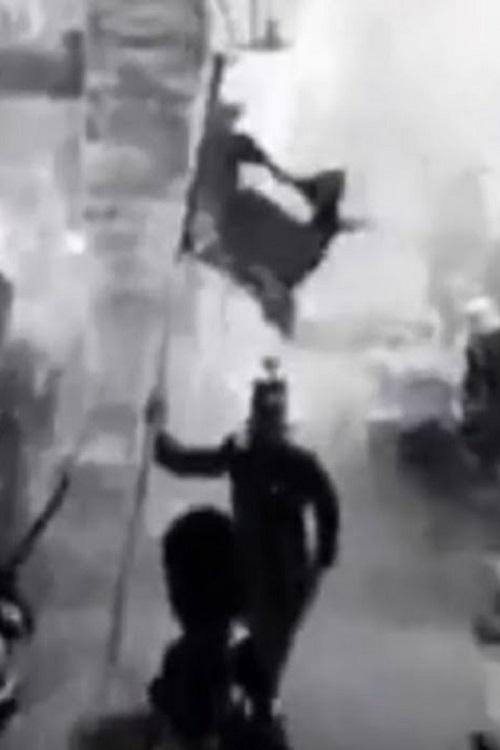
The story of the siege and eventual relief of British soldiers garrisoned at Lucknow during the 1857 Indian Rebellion. Only a fragment of the original film remains.
Who directed The Relief of Lucknow?
The Relief of Lucknow was directed by J. Searle Dawley.
Who stars in The Relief of Lucknow?
The principal cast of The Relief of Lucknow includes James Gordon, William R. Randall, Ben F. Wilson, Richard Neill, Charles Sutton.
When was The Relief of Lucknow released and how long is it?
The Relief of Lucknow was released in 1912 with a total runtime of 10m.