
Mao: Seize the Day, Seize the Hour
Mao: Grib Dagen, Grib Timen
Synopsis
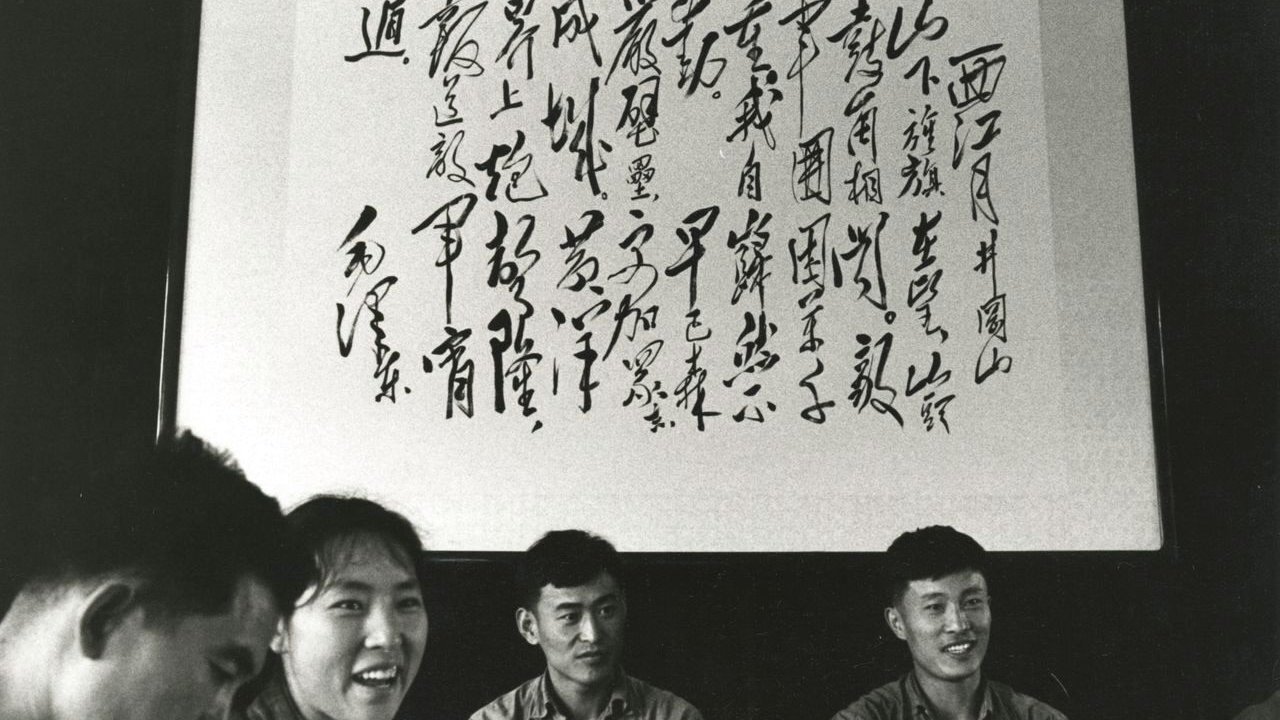
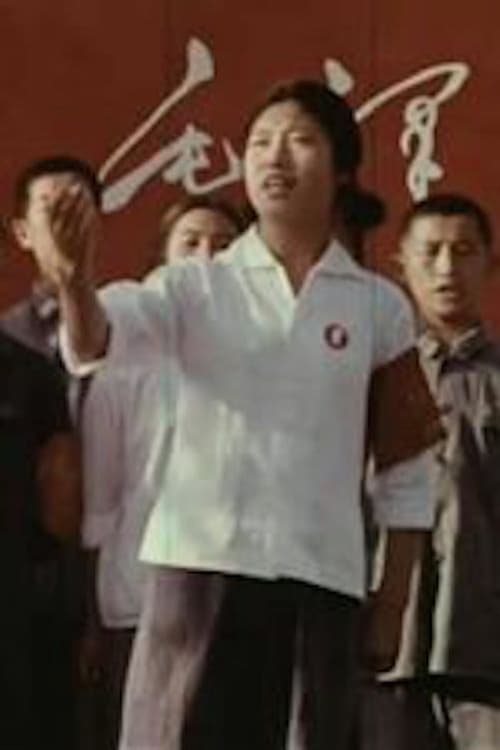
Mao Zedong was not only a revolutionary leader and thinker, he was also a poet. In poems written in the classic calligraphic tradition he expresses his experiences and visions. In this film, 8 of Mao's poems are sung, recited and interpreted: 'Changsha' (1925), 'Jinggang Mountains' (1928), 'The Long March' (1935), 'Snow' (1936), 'The People's Liberation Army Captures Nanjing' (1949), 'Swimming' (1956), 'Reply to Comrade Guo Moruo' (1961) and 'Reascending Jinggang Mountains' (1965). Through these poems we get a picture of the Chinese revolution from its first beginning in 1921 until the Cultural Revolution. The poems of Mao Zedong have been published in more than 57 million copies
Trailers, Teasers & Extra Featurettes
Official promotional previews, behind-the-scenes footage, and exclusive clips.
Mao: Grib Dagen, Grib Timen / Mao: Seize the Day, Seize the Hour
Type: Featurette • Published 2018-11-13
Key Information & Fast Facts
- Director
- Dino Raymond Hansen
- Original Title
- Mao: Grib Dagen, Grib Timen
- Spoken Languages
- Mandarin, Danish
- Runtime
- 34m
- Production Studios
- Kortfilmrådet, Danmarks Radios Workshop
Creative Leadership & Key Crew
Dino Raymond Hansen
Ebbe Preisler
Ebbe Preisler
Department Leadership Roster
Dino Raymond Hansen
Director
Ebbe Preisler
Editor
Ebbe Preisler
Producer
Production Stills & Gallery
Official cinematic photography and background stills for Mao: Seize the Day, Seize the Hour.
Similar Titles to Mao: Seize the Day, Seize the Hour
Movies sharing stylistic DNA, tone, and thematic storytelling
 7.4
7.4
 8.5
8.5
 10.0
10.0
 5.0
5.0 7.0
7.0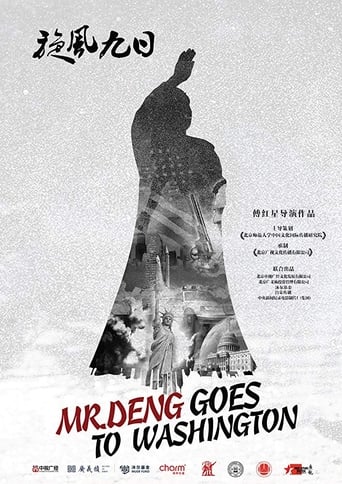 4.0
4.0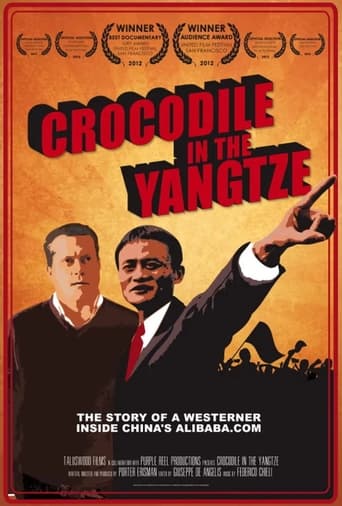 10.0
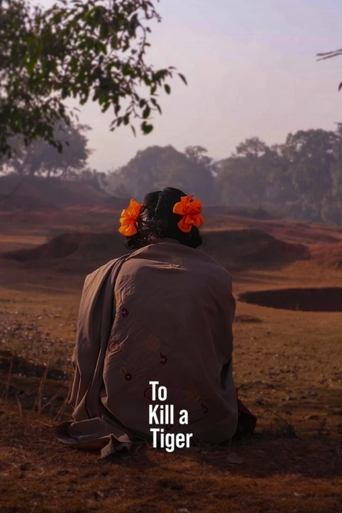
10.0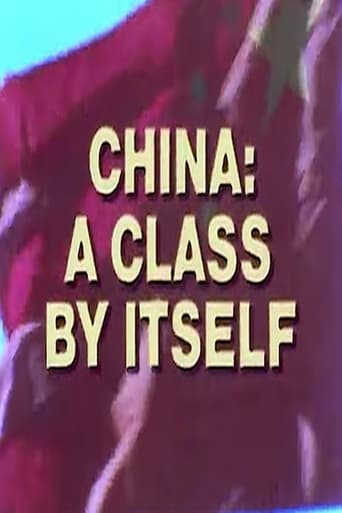
More Like Mao: Seize the Day, Seize the Hour
Recommended titles matching themes, cast, and genres.


Frequently Asked Questions About Mao: Seize the Day, Seize the Hour
Quick factual answers about cast, synopsis, director, box office, and release information.
What is Mao: Seize the Day, Seize the Hour about?
Mao Zedong was not only a revolutionary leader and thinker, he was also a poet. In poems written in the classic calligraphic tradition he expresses his experiences and visions. In this film, 8 of Mao's poems are sung, recited and interpreted: 'Changsha' (1925), 'Jinggang Mountains' (1928), 'The Long March' (1935), 'Snow' (1936), 'The People's Liberation Army Captures Nanjing' (1949), 'Swimming' (1956), 'Reply to Comrade Guo Moruo' (1961) and 'Reascending Jinggang Mountains' (1965). Through these poems we get a picture of the Chinese revolution from its first beginning in 1921 until the Cultural Revolution. The poems of Mao Zedong have been published in more than 57 million copies
Who directed Mao: Seize the Day, Seize the Hour?
Mao: Seize the Day, Seize the Hour was directed by Dino Raymond Hansen.
Who stars in Mao: Seize the Day, Seize the Hour?
The principal cast of Mao: Seize the Day, Seize the Hour includes Not specified.
When was Mao: Seize the Day, Seize the Hour released and how long is it?
Mao: Seize the Day, Seize the Hour was released in 1972 with a total runtime of 34m.