
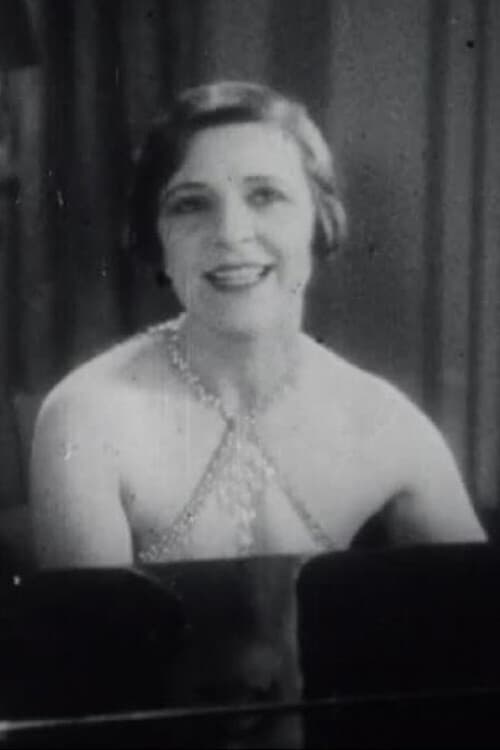
Miss Norah Blaney
“Masculine women and feminine men - variance in gender expression has been around for a while!”
Synopsis
Popular musical hall singer and pianist Norah Blaney performs a ditty about the gender nonconforming ways of modern young things for the camera in this early sound film. Blaney was known for her partnership with cellist Gwen Farrar in the late 1920s, performing duets which put an innuendo-laden queer spin on popular (heterosexual) hits.
Trailers, Teasers & Extra Featurettes
Official promotional previews, behind-the-scenes footage, and exclusive clips.
Miss Norah Blaney - "Masculine Women and Feminine Men" (1932)Official
Type: Featurette • Published 2017-07-16
Top Cast
Explore Star Directory →Key Information & Fast Facts
- Director
- —
- Original Title
- Miss Norah Blaney
- Country of Origin
- United Kingdom
- Spoken Languages
- English
- Runtime
- 9m
Production Stills & Gallery
Official cinematic photography and background stills for Miss Norah Blaney.
Featured In Curated Collections
Editorial lists, community rankings, and cinematic collections featuring Miss Norah Blaney.
list17
More Like Miss Norah Blaney
Recommended titles matching themes, cast, and genres.





Frequently Asked Questions About Miss Norah Blaney
Quick factual answers about cast, synopsis, director, box office, and release information.
What is Miss Norah Blaney about?
Popular musical hall singer and pianist Norah Blaney performs a ditty about the gender nonconforming ways of modern young things for the camera in this early sound film. Blaney was known for her partnership with cellist Gwen Farrar in the late 1920s, performing duets which put an innuendo-laden queer spin on popular (heterosexual) hits.
Who directed Miss Norah Blaney?
Miss Norah Blaney was directed by Not specified.
Who stars in Miss Norah Blaney?
The principal cast of Miss Norah Blaney includes Norah Blaney.
When was Miss Norah Blaney released and how long is it?
Miss Norah Blaney was released in 1932 with a total runtime of 9m.