

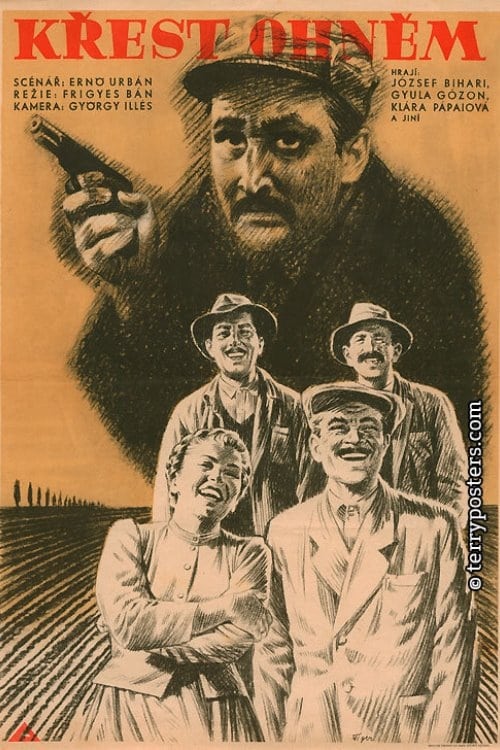
Tüzkeresztség
Synopsis
This propaganda film from the early years of socialist transformation in Hungary depicts kulak sabotage in production cooperatives. The prosperous peasant Ignatz Hato, one of the best farmers in the village, joins the Two Octobers cooperative, and soon all the small peasants follow him. The village rich, led by Lili Sohar, watching the great expansion of the cooperative, try to break up the cooperators with each other. Sohar's attempt bears fruit and Hato leaves the cooperative. Next, Lili Sohar tries to convince Ignatz Hato that she is planning to create a rival team of new rich people and urges him to join her. Ignatz refuses and does not give in to the blackmail. Lili's lover, a former gendarme, shoots party secretary Bozhine. At the wounded Božine's bedside, Ignác admits his mistake and asks to be accepted back into the cooperative. Sándor, the president of the cooperative, realizes that the collective should not prevent those who want to work honestly from joining.
Top Cast
Explore Star Directory →
Sándor Deák
Ignác Ható

Éva Kelemen
Lili Schár

Manyi Kiss
Hatóné

József Bihari
Sándor Köröm, president of the cooperative

Erzsi Pápai
Marika, daughter of Bozine

Klára Pápai
Bozine, the party secretary

Gyula Gózon
Jakab Viszket

Zoltán Makláry
Pál Boda
Imre Surányi
Imre
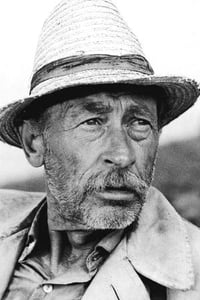
László Bánhidi
carter János Szél

István Egri
сaptain András

Sándor Tompa
rich

Gellért Raksányi
Misa
László Hlatky
Vendel Zsiga
Irma Vass
widow Bokorné
Elemér Baló
Jenö Bodnár
Mihály Bajusz
István Dózsa
Key Information & Fast Facts
- Director
- Frigyes Bán
- Screenplay & Story
- Ernő Urbán
- Original Score
- Rudolf Maros
- Original Title
- Tüzkeresztség
- Country of Origin
- Hungary
- Spoken Languages
- Hungarian
- Runtime
- Unknown
- Production Studios
- Mafilm, Magyar Filmgyártó Nemzeti Vállalat
Creative Leadership & Key Crew
Frigyes Bán
Ernő Urbán
Rudolf Maros
György Illés
Mihály Morell
Jenõ Katona
Department Leadership Roster
Mihály Morell
Editor
Jenõ Katona
Producer

Frigyes Bán
Director

György Illés
Director of Photography
Ernő Urbán
Writer
Imre Sörés
Production Design
Production Stills & Gallery
Official cinematic photography and background stills for Tüzkeresztség.
Featured In Curated Collections
Editorial lists, community rankings, and cinematic collections featuring Tüzkeresztség.
list17
Similar Titles to Tüzkeresztség
Movies sharing stylistic DNA, tone, and thematic storytelling
 7.4
 8.2
 6.8
 7.8
 6.3
 8.0
 6.4
 6.0
 10.0
 6.6
 7.2
 7.7
 7.0
 6.3
 5.4
 6.1
 6.0
 8.0
 7.5
 7.6
More Like Tüzkeresztség
Recommended titles matching themes, cast, and genres.









Frequently Asked Questions About Tüzkeresztség
Quick factual answers about cast, synopsis, director, box office, and release information.
What is Tüzkeresztség about?
This propaganda film from the early years of socialist transformation in Hungary depicts kulak sabotage in production cooperatives. The prosperous peasant Ignatz Hato, one of the best farmers in the village, joins the Two Octobers cooperative, and soon all the small peasants follow him. The village rich, led by Lili Sohar, watching the great expansion of the cooperative, try to break up the cooperators with each other. Sohar's attempt bears fruit and Hato leaves the cooperative. Next, Lili Sohar tries to convince Ignatz Hato that she is planning to create a rival team of new rich people and urges him to join her. Ignatz refuses and does not give in to the blackmail. Lili's lover, a former gendarme, shoots party secretary Bozhine. At the wounded Božine's bedside, Ignác admits his mistake and asks to be accepted back into the cooperative. Sándor, the president of the cooperative, realizes that the collective should not prevent those who want to work honestly from joining.
Who directed Tüzkeresztség?
Tüzkeresztség was directed by Frigyes Bán.
Who stars in Tüzkeresztség?
The principal cast of Tüzkeresztség includes Sándor Deák, Éva Kelemen, Manyi Kiss, József Bihari, Erzsi Pápai.
When was Tüzkeresztség released and how long is it?
Tüzkeresztség was released in 1952 with a total runtime of Unknown.
Who composed the musical score for Tüzkeresztség?
The original motion picture soundtrack for Tüzkeresztség was composed by Rudolf Maros.