
Panoramas of the Moving Image: Mechanical Slides and Dissolving Views from Nineteenth-Century Magic Lantern Shows
Synopsis
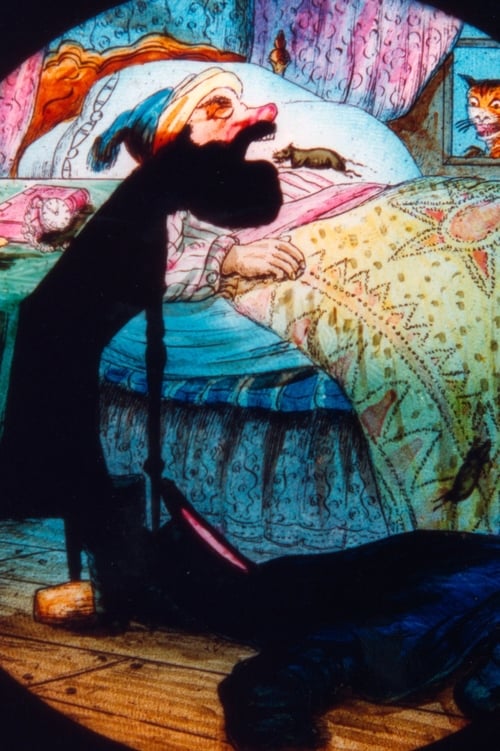
Mechanical glass slides were manipulated to simulate various kinds of change in the image, and multiple projectors allowed for superimposed and dissolving views. Brightly colored, handcrafted slides, depicting human activity, fantasy figures, and landscapes, were typically presented with live narration, music, and sound effects, in what became popular by the 1870s as Magic Lantern shows. Experimental media artist Ernie Gehr’s Panoramas of the Moving Image (2005) is a synchronized five-channel video installation that uses eighty-seven original slides and views selected from Gehr’s personal collection and that of renowned pre-cinema collector David Francis. Projected side by side, the slides create a mesmerizing wide-screen spectacle. A selection of vintage paper Zoetrope strips and Phenakistiscope discs—complementary artifacts of nineteenth-century moving-image technology—are also on display.
Release History & Theatrical Window
January 12, 2005
Wide Cinema Exhibition
Key Information & Fast Facts
- Director
- Ernie Gehr
- Original Title
- Panoramas of the Moving Image: Mechanical Slides and Dissolving Views from Nineteenth-Century Magic Lantern Shows
- Spoken Languages
- English
- Runtime
- 22m
Creative Leadership & Key Crew
Ernie Gehr
Department Leadership Roster

Ernie Gehr
Director
Production Stills & Gallery
Official cinematic photography and background stills for Panoramas of the Moving Image: Mechanical Slides and Dissolving Views from Nineteenth-Century Magic Lantern Shows.
Featured In Curated Collections
Editorial lists, community rankings, and cinematic collections featuring Panoramas of the Moving Image: Mechanical Slides and Dissolving Views from Nineteenth-Century Magic Lantern Shows.
list16
More Like Panoramas of the Moving Image: Mechanical Slides and Dissolving Views from Nineteenth-Century Magic Lantern Shows
Recommended titles matching themes, cast, and genres.








Frequently Asked Questions About Panoramas of the Moving Image: Mechanical Slides and Dissolving Views from Nineteenth-Century Magic Lantern Shows
Quick factual answers about cast, synopsis, director, box office, and release information.
What is Panoramas of the Moving Image: Mechanical Slides and Dissolving Views from Nineteenth-Century Magic Lantern Shows about?
Mechanical glass slides were manipulated to simulate various kinds of change in the image, and multiple projectors allowed for superimposed and dissolving views. Brightly colored, handcrafted slides, depicting human activity, fantasy figures, and landscapes, were typically presented with live narration, music, and sound effects, in what became popular by the 1870s as Magic Lantern shows. Experimental media artist Ernie Gehr’s Panoramas of the Moving Image (2005) is a synchronized five-channel video installation that uses eighty-seven original slides and views selected from Gehr’s personal collection and that of renowned pre-cinema collector David Francis. Projected side by side, the slides create a mesmerizing wide-screen spectacle. A selection of vintage paper Zoetrope strips and Phenakistiscope discs—complementary artifacts of nineteenth-century moving-image technology—are also on display.
Who directed Panoramas of the Moving Image: Mechanical Slides and Dissolving Views from Nineteenth-Century Magic Lantern Shows?
Panoramas of the Moving Image: Mechanical Slides and Dissolving Views from Nineteenth-Century Magic Lantern Shows was directed by Ernie Gehr.
Who stars in Panoramas of the Moving Image: Mechanical Slides and Dissolving Views from Nineteenth-Century Magic Lantern Shows?
The principal cast of Panoramas of the Moving Image: Mechanical Slides and Dissolving Views from Nineteenth-Century Magic Lantern Shows includes Not specified.
When was Panoramas of the Moving Image: Mechanical Slides and Dissolving Views from Nineteenth-Century Magic Lantern Shows released and how long is it?
Panoramas of the Moving Image: Mechanical Slides and Dissolving Views from Nineteenth-Century Magic Lantern Shows was released in 2005 with a total runtime of 22m.