
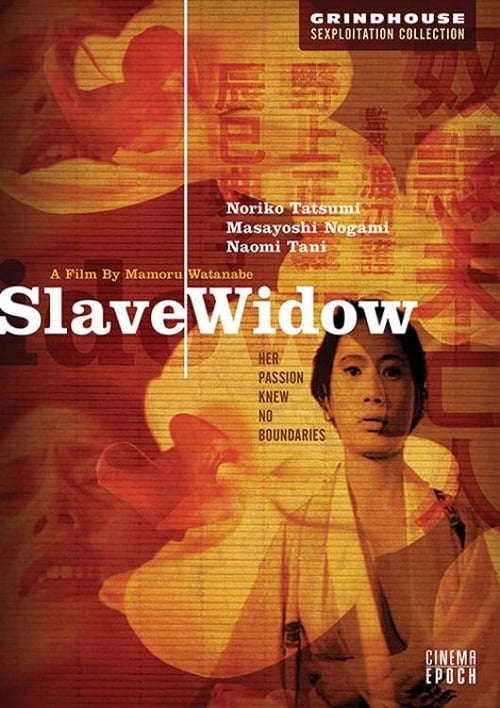
Slave Widow
奴隷未亡人
Synopsis
After her husband's suicide, young and beautiful Mitsuko Fuji feels alone and helpless -- until one of her husband's major creditors, Mr. Kito, offers a sympathetic ear and a cancellation of all debts. However, Mitsuko soon learns that Kito's intentions are anything but pure, as she's forced to become his personal concubine. Her only, improbable hope for redemption lies with her one true admirer: Kito's very own son.
Top Cast
Explore Star Directory →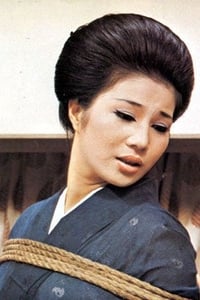
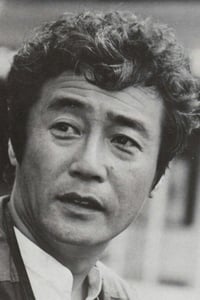

Key Information & Fast Facts
- Director
- Mamoru Watanabe
- Screenplay & Story
- Mamoru Watanabe
- Original Score
- Takashi Akutagawa
- Original Title
- 奴隷未亡人
- Country of Origin
- Japan
- Spoken Languages
- Japanese
- Runtime
- 1h 15m
- Production Studios
- Chuo Eiga Production
Creative Leadership & Key Crew
Mamoru Watanabe
Mamoru Watanabe
Takashi Akutagawa
Shizuya Takeda
Teruo Nakajima
Hisashi Nakata
Department Leadership Roster
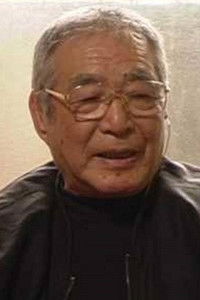
Mamoru Watanabe
Screenplay
Shizuya Takeda
Director of Photography
Takashi Akutagawa
Original Music Composer
Teruo Nakajima
Editor
Mamoru Watanabe
Director
Production Stills & Gallery
Official cinematic photography and background stills for Slave Widow.
Featured In Curated Collections
Editorial lists, community rankings, and cinematic collections featuring Slave Widow.
Exploitation 101: Pinky Violence/Roman Porno
Exploitation 101: Pinky Violence/Roman Porno
Asian [R+] (Non-Pinku)
AsianEro_Japan |+| Pinku-eiga [R/NR/NC17]
Japanese_Ero_[R+] (Pinku eiga)
Pinky Violence
"Pinky Violence" is a subgenre of Japanese exploitation cinema that emerged primarily in the 1970s. It's characterized by its combination of sexploitation, violence, and often feminist themes. The term "Pinky Violence" itself is derived from the pink film genre, which refers to Japanese softcore pornographic films. Key elements of Pinky Violence films include strong, independent female protagonists who often engage in violent revenge against oppressive male figures or institutions. These films frequently feature graphic violence, sexual content, and themes of female empowerment or exploitation. Popular examples of Pinky Violence films include titles like "Sex & Fury" (1973), "Lady Snowblood" (1973), and "Zero Woman: Red Handcuffs" (1974). While they were often low-budget productions, Pinky Violence films gained a cult following both in Japan and internationally for their unique blend of genre elements and social commentary.
More Like Slave Widow
Recommended titles matching themes, cast, and genres.







Frequently Asked Questions About Slave Widow
Quick factual answers about cast, synopsis, director, box office, and release information.
What is Slave Widow about?
After her husband's suicide, young and beautiful Mitsuko Fuji feels alone and helpless -- until one of her husband's major creditors, Mr. Kito, offers a sympathetic ear and a cancellation of all debts. However, Mitsuko soon learns that Kito's intentions are anything but pure, as she's forced to become his personal concubine. Her only, improbable hope for redemption lies with her one true admirer: Kito's very own son.
Who directed Slave Widow?
Slave Widow was directed by Mamoru Watanabe.
Who stars in Slave Widow?
The principal cast of Slave Widow includes Noriko Tatsumi, Naomi Tani, Mari Iwai, Michiko Yamanaka, Tadashi Oizumi.
When was Slave Widow released and how long is it?
Slave Widow was released in 1967 with a total runtime of 1h 15m.
Who composed the musical score for Slave Widow?
The original motion picture soundtrack for Slave Widow was composed by Takashi Akutagawa.