
Cu da Mãe
Synopsis
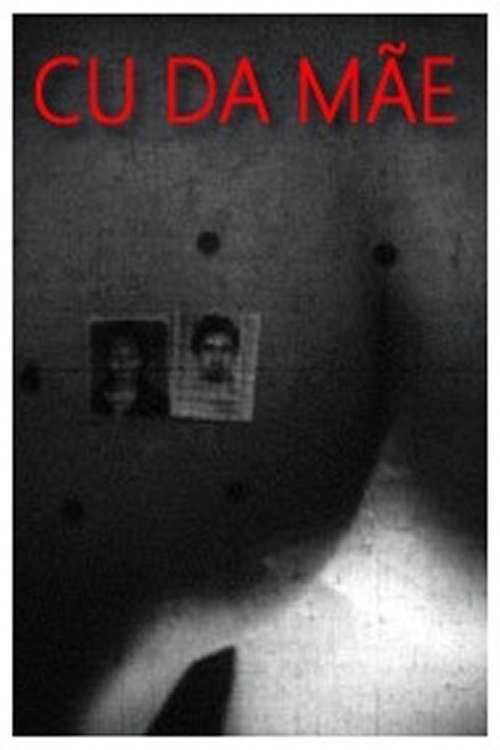
The film’s opening shot presents us with a naked ass, adorned only with a bit of confetti and two 3x4 photographs placed side by side. Other images soon appear in rapid succession, with the image of a contracting anus standing out among them. It is a radical, experimental film that uses scatology to question cinematic identification.
Top Cast
Explore Star Directory →Key Information & Fast Facts
- Director
- Sebastião de Souza
- Original Score
- Rogério Duprat
- Original Title
- Cu da Mãe
- Country of Origin
- Brazil
- Spoken Languages
- Portuguese
- Runtime
- 6m
Creative Leadership & Key Crew
Sebastião de Souza
Rogério Duprat
Antônio Muramatsu
Maria Guadalupe
Department Leadership Roster
Antônio Muramatsu
Director of Photography
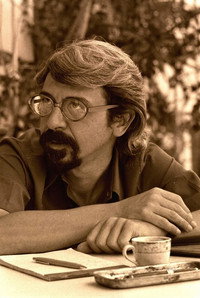
Rogério Duprat
Original Music Composer
Maria Guadalupe
Editor
Sebastião de Souza
Director
Production Stills & Gallery
Official cinematic photography and background stills for Cu da Mãe.
More Like Cu da Mãe
Recommended titles matching themes, cast, and genres.







Frequently Asked Questions About Cu da Mãe
Quick factual answers about cast, synopsis, director, box office, and release information.
What is Cu da Mãe about?
The film’s opening shot presents us with a naked ass, adorned only with a bit of confetti and two 3x4 photographs placed side by side. Other images soon appear in rapid succession, with the image of a contracting anus standing out among them. It is a radical, experimental film that uses scatology to question cinematic identification.
Who directed Cu da Mãe?
Cu da Mãe was directed by Sebastião de Souza.
Who stars in Cu da Mãe?
The principal cast of Cu da Mãe includes Hélcio Monteiro Cremonese.
When was Cu da Mãe released and how long is it?
Cu da Mãe was released in 1969 with a total runtime of 6m.
Who composed the musical score for Cu da Mãe?
The original motion picture soundtrack for Cu da Mãe was composed by Rogério Duprat.