
Blood Spilled at Takadanobaba
血煙高田の馬場
Synopsis
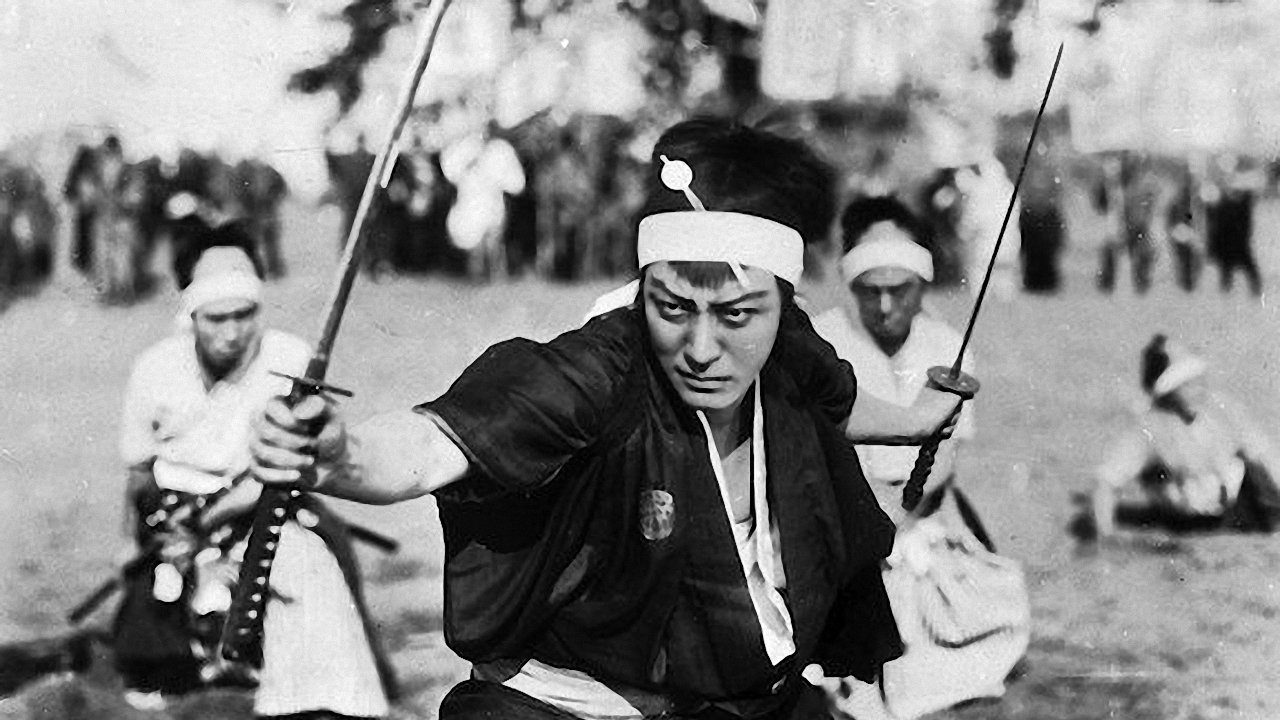
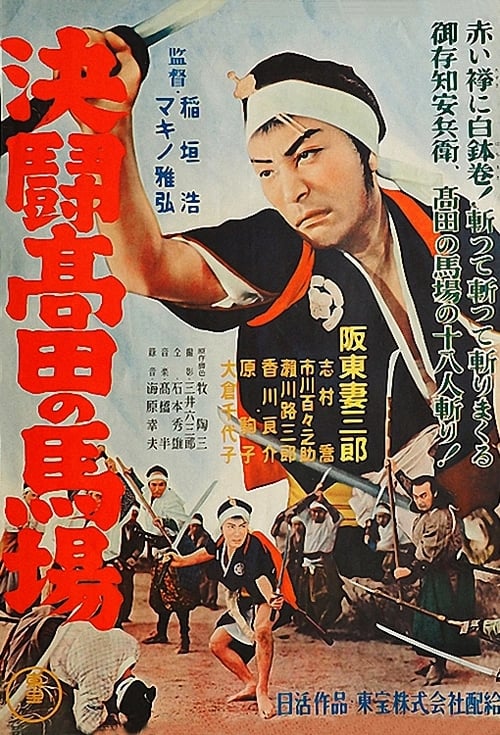
The tale of Nakayama Yasubei’s duel is famous, even if he in reality probably did not cut down 18 opponents. The story has been related in film, rakugo, kodan and on stage many times, in part because Nakayama later joined the famous 47 Ronin (Chushingura) as Horibe Yasubei. But Makino and Inagaki’s version gives no hint of this more serious future, playing up the thrills and the comedy with Bando’s bravura performance. The multiple pans of Yasubei running to the duel are an exemplar of the experimental flourishes of 1930s Japanese cinema and the final duel, performed virtually like a dance number, is a marker of Makino’s love of rhythm and one of the best sword fights in Japanese film history. The film was originally released under the title Chikemuri Takadanoba (Bloody Takadanobaba) with a length of 57 minutes, but suffered some cuts and a title change when it was re-released in 1952.
Top Cast
Explore Star Directory →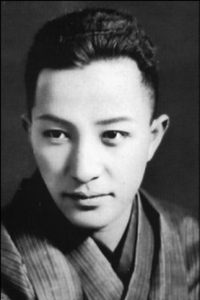
Tsumasaburō Bandō
Yasubei Nakayama
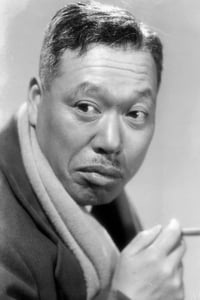
Takashi Shimura
Takusan
Tokumaro Dan
Genjihei Segawa
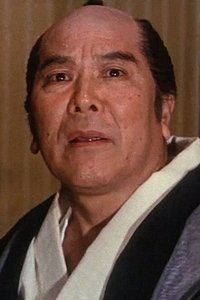
Ryōsuke Kagawa
Rokuzaemon Sugano
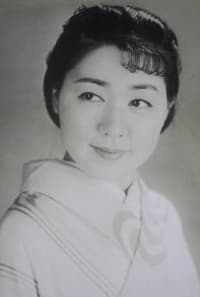
Chiyoko Ôkura
Otae
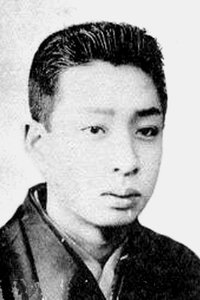
Momonosuke Ichikawa
Kumako
Shunzaburo Iba
Tengan
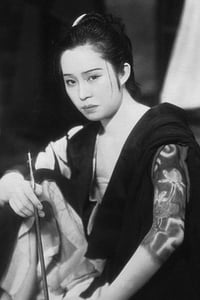
Komako Hara
Osai
Shojiro Ichikawa
Sannosuke Fujikawa
Michisaburō Segawa
Kajō Onoe
Kunitaro Bando
Shôen Kataoka
Teruo Shimada
Tokumaro Ban
Kotaro Nifuda
Tominosuke Hayama

Key Information & Fast Facts
- Director
- Masahiro Makino, Hiroshi Inagaki
- Screenplay & Story
- Maki Tozo
- Original Score
- Ban Takahashi
- Original Title
- 血煙高田の馬場
- Country of Origin
- Japan
- Spoken Languages
- Japanese
- Runtime
- 57m
- Production Studios
- Nikkatsu Corporation
Creative Leadership & Key Crew
Masahiro Makino, Hiroshi Inagaki
Maki Tozo
Ban Takahashi
Hideo Ishimoto, Rokusaburô Mitsui
Department Leadership Roster
Maki Tozo
Screenplay
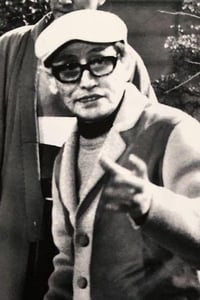
Masahiro Makino
Director
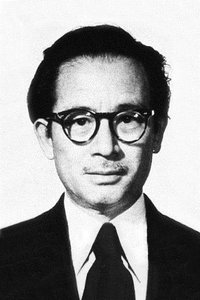
Hiroshi Inagaki
Director
Hideo Ishimoto
Director of Photography
Rokusaburô Mitsui
Director of Photography
Ban Takahashi
Original Music Composer
Production Stills & Gallery
Official cinematic photography and background stills for Blood Spilled at Takadanobaba.
Featured In Curated Collections
Editorial lists, community rankings, and cinematic collections featuring Blood Spilled at Takadanobaba.
Martial Arts
Auto-filled from Letterboxd lists
Hiroshi Inagaki (1905 - 1980)
More Like Blood Spilled at Takadanobaba
Recommended titles matching themes, cast, and genres.




Frequently Asked Questions About Blood Spilled at Takadanobaba
Quick factual answers about cast, synopsis, director, box office, and release information.
What is Blood Spilled at Takadanobaba about?
The tale of Nakayama Yasubei’s duel is famous, even if he in reality probably did not cut down 18 opponents. The story has been related in film, rakugo, kodan and on stage many times, in part because Nakayama later joined the famous 47 Ronin (Chushingura) as Horibe Yasubei. But Makino and Inagaki’s version gives no hint of this more serious future, playing up the thrills and the comedy with Bando’s bravura performance. The multiple pans of Yasubei running to the duel are an exemplar of the experimental flourishes of 1930s Japanese cinema and the final duel, performed virtually like a dance number, is a marker of Makino’s love of rhythm and one of the best sword fights in Japanese film history. The film was originally released under the title Chikemuri Takadanoba (Bloody Takadanobaba) with a length of 57 minutes, but suffered some cuts and a title change when it was re-released in 1952.
Who directed Blood Spilled at Takadanobaba?
Blood Spilled at Takadanobaba was directed by Masahiro Makino, Hiroshi Inagaki.
Who stars in Blood Spilled at Takadanobaba?
The principal cast of Blood Spilled at Takadanobaba includes Tsumasaburō Bandō, Takashi Shimura, Tokumaro Dan, Ryōsuke Kagawa, Chiyoko Ôkura.
When was Blood Spilled at Takadanobaba released and how long is it?
Blood Spilled at Takadanobaba was released in 1937 with a total runtime of 57m.
Who composed the musical score for Blood Spilled at Takadanobaba?
The original motion picture soundtrack for Blood Spilled at Takadanobaba was composed by Ban Takahashi.