
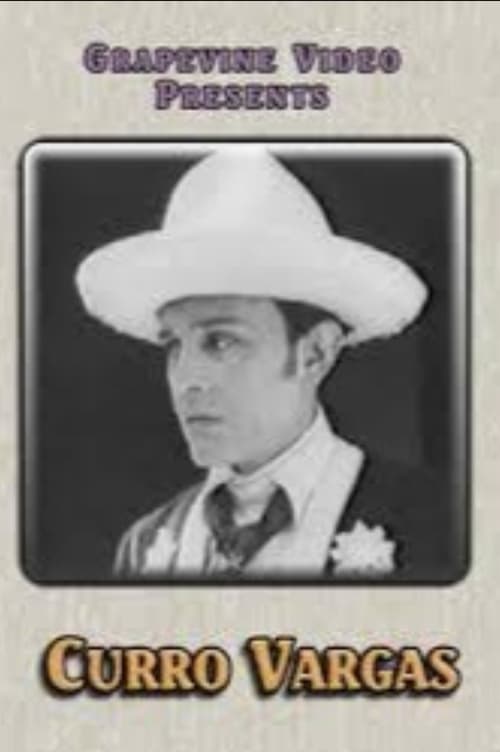
Curro Vargas
Synopsis
Spanish silent based on the novel by the same name. The story begins in the early nineteenth century in a small town of Granada, after the death of Juan de Vargas, Curro, the son of this is in misery.
Top Cast
Explore Star Directory →
Ricardo Galache
Curro Vargas
Angelina Bretón
Soledad
María Comendador
Doña Angustias
José Montenegro
Padre Antonio
Ramón Meca
Don Severiano

Laura Pinillos
Rosina
Antonio Gil Varela 'Varillas'
Timoteo
María Anaya
Tía Emplastos
Mariano Aguilar
Luisito Armenta y Medina
Alfredo Corcuera
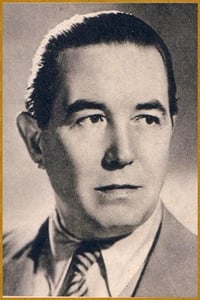
José María Lado
Celso Lucio
Manuel Montenegro
Fernando Roldán
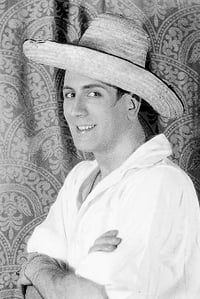
Manuel San Germán
Key Information & Fast Facts
- Director
- José Buchs
- Screenplay & Story
- Joaquín Dicenta, Manuela Paso, Pedro Antonio de Alarcón, José Buchs
- Original Title
- Curro Vargas
- Country of Origin
- Spain
- Spoken Languages
- No Language
- Runtime
- 1h 41m
- Production Studios
- Film Española
Creative Leadership & Key Crew
José Buchs
Joaquín Dicenta, Manuela Paso, Pedro Antonio de Alarcón, José Buchs
Department Leadership Roster

José Buchs
Director
José Buchs
Writer
Production Stills & Gallery
Official cinematic photography and background stills for Curro Vargas.
Featured In Curated Collections
Editorial lists, community rankings, and cinematic collections featuring Curro Vargas.
list9
More Like Curro Vargas
Recommended titles matching themes, cast, and genres.

Frequently Asked Questions About Curro Vargas
Quick factual answers about cast, synopsis, director, box office, and release information.
What is Curro Vargas about?
Spanish silent based on the novel by the same name. The story begins in the early nineteenth century in a small town of Granada, after the death of Juan de Vargas, Curro, the son of this is in misery.
Who directed Curro Vargas?
Curro Vargas was directed by José Buchs.
Who stars in Curro Vargas?
The principal cast of Curro Vargas includes Ricardo Galache, Angelina Bretón, María Comendador, José Montenegro, Ramón Meca.
When was Curro Vargas released and how long is it?
Curro Vargas was released in 1923 with a total runtime of 1h 41m.
Is Curro Vargas based on a book or true story?
Curro Vargas is adapted from the following source material: Novel: "Pedro Antonio de Alarcón".