
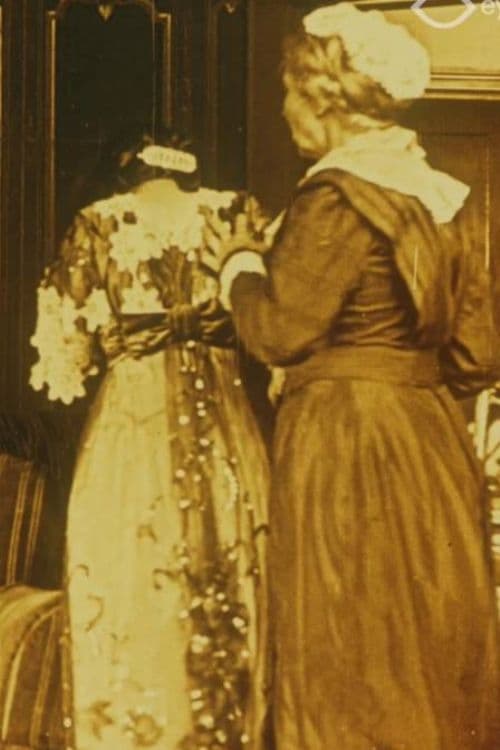
Aunty's Romance
Synopsis
Romantic comedy in which a woman who no longer wants to marry her fiance when it turns out he doesn't have an inheritance. After his father is deceased, Stephen Fiske travels to New York, where he learns that his father has left him nothing. His fiancée Doris now refuses to marry him because he is not rich. Doris has, however, an old aunt, whose last wish is that Doris marry Stephan.
Top Cast
Explore Star Directory →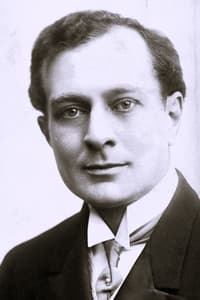


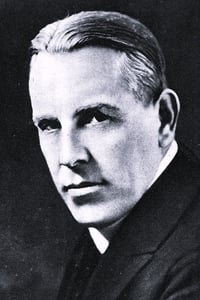
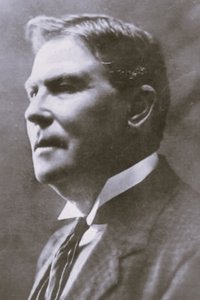

Release History & Theatrical Window
May 12, 1912
Wide Cinema Exhibition
Key Information & Fast Facts
- Director
- George D. Baker
- Original Title
- Aunty's Romance
- Country of Origin
- United States of America
- Spoken Languages
- English
- Runtime
- 13m
- Production Studios
- Vitagraph Company of America
Creative Leadership & Key Crew
George D. Baker
Department Leadership Roster

George D. Baker
Director
Production Stills & Gallery
Official cinematic photography and background stills for Aunty's Romance.
Featured In Curated Collections
Editorial lists, community rankings, and cinematic collections featuring Aunty's Romance.
list9
More Like Aunty's Romance
Recommended titles matching themes, cast, and genres.



Frequently Asked Questions About Aunty's Romance
Quick factual answers about cast, synopsis, director, box office, and release information.
What is Aunty's Romance about?
Romantic comedy in which a woman who no longer wants to marry her fiance when it turns out he doesn't have an inheritance. After his father is deceased, Stephen Fiske travels to New York, where he learns that his father has left him nothing. His fiancée Doris now refuses to marry him because he is not rich. Doris has, however, an old aunt, whose last wish is that Doris marry Stephan.
Who directed Aunty's Romance?
Aunty's Romance was directed by George D. Baker.
Who stars in Aunty's Romance?
The principal cast of Aunty's Romance includes Maurice Costello, Florence Turner, Mary Maurice, Harry T. Morey, William Shea.
When was Aunty's Romance released and how long is it?
Aunty's Romance was released in 1912 with a total runtime of 13m.