
No. 4: Fast Track
Synopsis
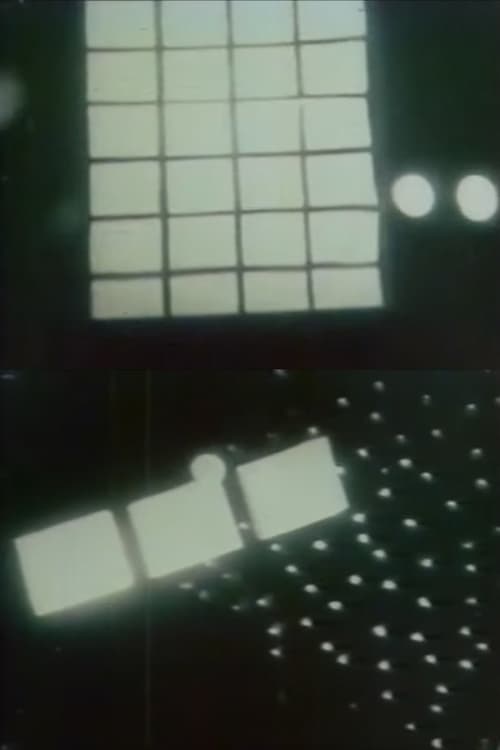
16 mm, black & white and color, 2:16 or 6 min. Silent though possibly intended to be screened with Dizzy Gillespie's Manteca. The film starts with a color sequence showing Smith's painting Manteca (ca. 1950) with which he tried to subjectively depict Gillespie's song, every brushstroke representing a music note. The film concludes with black & white superimpositions.
Release History & Theatrical Window
San Francisco Museum of Art
Festival / Special Debut
Key Information & Fast Facts
- Director
- Harry Smith
- Original Title
- No. 4: Fast Track
- Country of Origin
- United States of America
- Spoken Languages
- No Language
- Runtime
- 6m
Creative Leadership & Key Crew
Harry Smith
Department Leadership Roster
Harry Smith
Director
Production Stills & Gallery
Official cinematic photography and background stills for No. 4: Fast Track.
Featured In Curated Collections
Editorial lists, community rankings, and cinematic collections featuring No. 4: Fast Track.
list8
More Like No. 4: Fast Track
Recommended titles matching themes, cast, and genres.



Frequently Asked Questions About No. 4: Fast Track
Quick factual answers about cast, synopsis, director, box office, and release information.
What is No. 4: Fast Track about?
16 mm, black & white and color, 2:16 or 6 min. Silent though possibly intended to be screened with Dizzy Gillespie's Manteca. The film starts with a color sequence showing Smith's painting Manteca (ca. 1950) with which he tried to subjectively depict Gillespie's song, every brushstroke representing a music note. The film concludes with black & white superimpositions.
Who directed No. 4: Fast Track?
No. 4: Fast Track was directed by Harry Smith.
Who stars in No. 4: Fast Track?
The principal cast of No. 4: Fast Track includes Not specified.
When was No. 4: Fast Track released and how long is it?
No. 4: Fast Track was released in 1947 with a total runtime of 6m.