

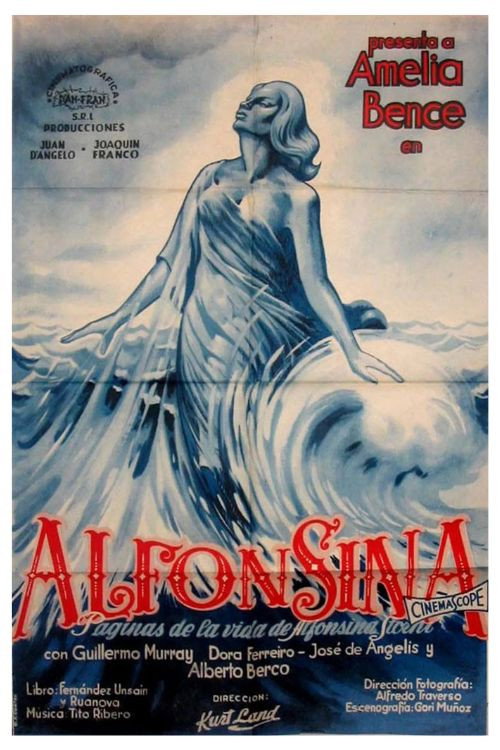
Alfonsina
“Pages from the life of Alfonsina Storni”
Synopsis
Biography of Argentinean poet Alfonsina Storni (1892-1938), on of the most famous Latin American poets of the modernist period, who committed suicide by drowning in the sea in Mar del Plata.
Top Cast
Explore Star Directory →


Key Information & Fast Facts
- Director
- Kurt Land
- Screenplay & Story
- Alfredo Ruanova, José María Fernández Unsáin
- Original Score
- Tito Ribero
- Original Title
- Alfonsina
- Country of Origin
- Argentina
- Spoken Languages
- Spanish
- Runtime
- 1h 30m
- Production Studios
- Cinematográfica d'An-Fran S.r.l.
Creative Leadership & Key Crew
Kurt Land
Alfredo Ruanova, José María Fernández Unsáin
Tito Ribero
Vicente Castagno
Department Leadership Roster
Kurt Land
Director

Gori Muñoz
Production Design
Alfredo Ruanova
Writer

José María Fernández Unsáin
Writer
Vicente Castagno
Editor
Production Stills & Gallery
Official cinematic photography and background stills for Alfonsina.
Featured In Curated Collections
Editorial lists, community rankings, and cinematic collections featuring Alfonsina.
list7
Similar Titles to Alfonsina
Movies sharing stylistic DNA, tone, and thematic storytelling
 7.4
 6.9
 6.4
 5.3
 4.1
 6.7
 6.1
 6.6
 6.2
 7.0
 6.7
 5.0
 6.3
 8.0
 7.0
 6.2
 7.5
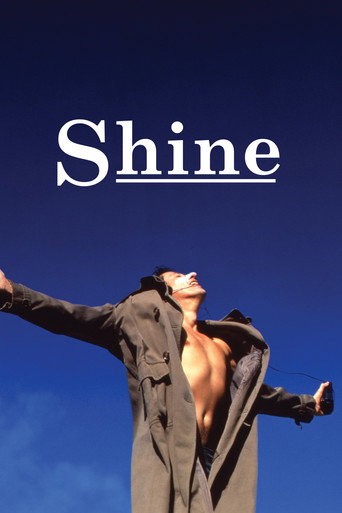 7.4
 6.0
More Like Alfonsina
Recommended titles matching themes, cast, and genres.
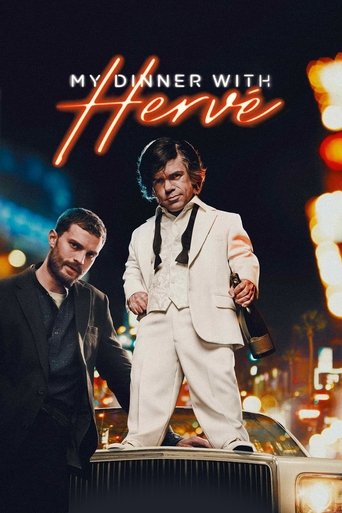
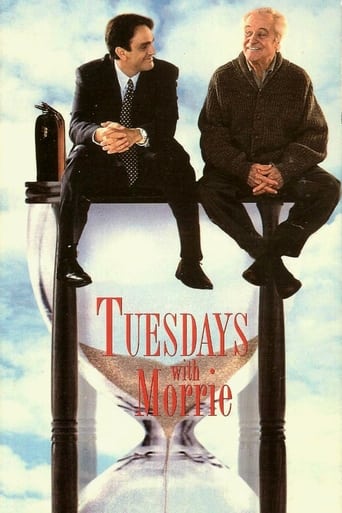
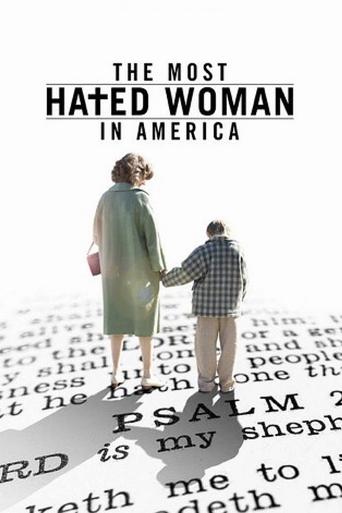



Frequently Asked Questions About Alfonsina
Quick factual answers about cast, synopsis, director, box office, and release information.
What is Alfonsina about?
Biography of Argentinean poet Alfonsina Storni (1892-1938), on of the most famous Latin American poets of the modernist period, who committed suicide by drowning in the sea in Mar del Plata.
Who directed Alfonsina?
Alfonsina was directed by Kurt Land.
Who stars in Alfonsina?
The principal cast of Alfonsina includes Amelia Bence, Guillermo Murray, Dora Ferreiro, José de Angelis, Alberto Berco.
When was Alfonsina released and how long is it?
Alfonsina was released in 1957 with a total runtime of 1h 30m.
Who composed the musical score for Alfonsina?
The original motion picture soundtrack for Alfonsina was composed by Tito Ribero.