

Torn Boots
Рваные башмаки
Synopsis
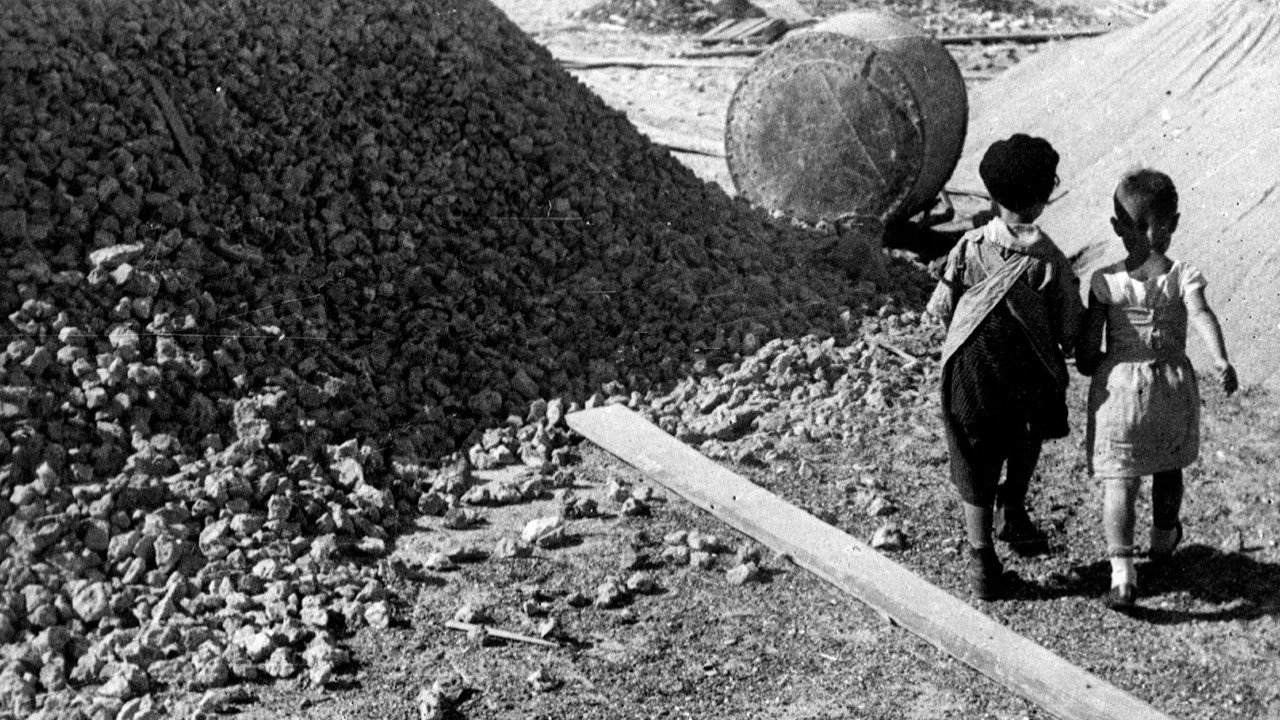
Working with children led Barskaya to create superb direct sound and an inspired style of shooting. Don’t look for conventional cinematic syntax here. The film is chaotic in the way that Soviet films still knew how to be, and Langlois couldn’t help but be seduced by its rebellious spirit, its anarchy and love of children, comparable to Vigo’s Zero de conduite. As well as being a film made with and for children, it offers a complex take on Western society. Pre-Nazi Germany is not named as such but is carefully reconstructed, possibly under advice from Karl Radek, and children offer a playful reflection of class struggle – doubly excluded, as proletarians and as minors. “They play in the same way that they live”, one intertitle says. The interaction between their comical games and the yet more ludicrous ones played by adults is developed on several levels.
Top Cast
Explore Star Directory →
Mikhail Klimov
Pastor

Ivan Novoseltsev
Valter's father
Varvara Alyokhina
School teacher

Klavdiya Polovikova
Blind woman

Vladimir Uralskiy
Police agent
Lev Losev
Nikolay Losev
Anna Chekulaeva
Valter's mother

Natalia Sadovskaya
Olga Bazanova
(uncredited)
Georgi Millyar
Passerby (uncredited)

Vladimir Mikhaylov
Passerby (uncredited)

Aleksandr Timontayev
Policeman (uncredited)
Evgeniy Tokmakov
(uncredited)

Nikolai Yarochkin
Worker (uncredited)
Release History & Theatrical Window
March 29, 1934
Wide Cinema Exhibition
Key Information & Fast Facts
- Director
- Margarita Barskaya
- Screenplay & Story
- Margarita Barskaya
- Original Score
- Vissarion Shebalin, David Blok
- Original Title
- Рваные башмаки
- Country of Origin
- Soviet Union
- Spoken Languages
- Russian
- Runtime
- 1h 25m
- Production Studios
- Mezhrabpomfilm
Creative Leadership & Key Crew
Margarita Barskaya
Margarita Barskaya
Vissarion Shebalin, David Blok
Sarkis Gevorkyan, Georgi Bobrov
Moisey Aleynikov
Department Leadership Roster

Margarita Barskaya
Director

Vissarion Shebalin
Original Music Composer
Sarkis Gevorkyan
Director of Photography
Georgi Bobrov
Director of Photography
Margarita Barskaya
Writer

David Blok
Original Music Composer
Vladimir Egorov
Production Design

Moisey Aleynikov
Producer
Production Stills & Gallery
Official cinematic photography and background stills for Torn Boots.
Featured In Curated Collections
Editorial lists, community rankings, and cinematic collections featuring Torn Boots.
list6
Similar Titles to Torn Boots
Movies sharing stylistic DNA, tone, and thematic storytelling

 6.7
 6.2
 5.3
 7.4
 7.5
 7.2


 7.7
 7.2
 7.9
 6.0
 7.5
 7.8
 6.7
 7.4
More Like Torn Boots
Recommended titles matching themes, cast, and genres.





Frequently Asked Questions About Torn Boots
Quick factual answers about cast, synopsis, director, box office, and release information.
What is Torn Boots about?
Working with children led Barskaya to create superb direct sound and an inspired style of shooting. Don’t look for conventional cinematic syntax here. The film is chaotic in the way that Soviet films still knew how to be, and Langlois couldn’t help but be seduced by its rebellious spirit, its anarchy and love of children, comparable to Vigo’s Zero de conduite. As well as being a film made with and for children, it offers a complex take on Western society. Pre-Nazi Germany is not named as such but is carefully reconstructed, possibly under advice from Karl Radek, and children offer a playful reflection of class struggle – doubly excluded, as proletarians and as minors. “They play in the same way that they live”, one intertitle says. The interaction between their comical games and the yet more ludicrous ones played by adults is developed on several levels.
Who directed Torn Boots?
Torn Boots was directed by Margarita Barskaya.
Who stars in Torn Boots?
The principal cast of Torn Boots includes Mikhail Klimov, Ivan Novoseltsev, Varvara Alyokhina, Klavdiya Polovikova, Vladimir Uralskiy.
When was Torn Boots released and how long is it?
Torn Boots was released in 1933 with a total runtime of 1h 25m.
Who composed the musical score for Torn Boots?
The original motion picture soundtrack for Torn Boots was composed by Vissarion Shebalin, David Blok.