

Marinella
Synopsis
Tino is a painter and occasionally a singer. When he has an opportunity to replace an absent singer, he becomes a sucess as a masqued singer, "Le chanteur masqué". Lisa is a typist who becomes a successful singer, also as a masqued singer, "La chanteuse masquée". Tino the painter falls in love for Lisa the typist, not knowing about her "masqued" activities. On the stage they are rivals.
Top Cast
Explore Star Directory →




Key Information & Fast Facts
- Director
- Pierre Caron
- Screenplay & Story
- René Pujol
- Original Score
- Vincent Scotto
- Original Title
- Marinella
- Country of Origin
- France
- Spoken Languages
- French
- Runtime
- 1h 28m
- Production Studios
- Forrester-Parant Productions
Creative Leadership & Key Crew
Pierre Caron
René Pujol
Vincent Scotto
Department Leadership Roster
Pierre Caron
Director

René Pujol
Writer
Featured In Curated Collections
Editorial lists, community rankings, and cinematic collections featuring Marinella.
list6
More Like Marinella
Recommended titles matching themes, cast, and genres.




Frequently Asked Questions About Marinella
Quick factual answers about cast, synopsis, director, box office, and release information.
What is Marinella about?
Tino is a painter and occasionally a singer. When he has an opportunity to replace an absent singer, he becomes a sucess as a masqued singer, "Le chanteur masqué". Lisa is a typist who becomes a successful singer, also as a masqued singer, "La chanteuse masquée". Tino the painter falls in love for Lisa the typist, not knowing about her "masqued" activities. On the stage they are rivals.
Who directed Marinella?
Marinella was directed by Pierre Caron.
Who stars in Marinella?
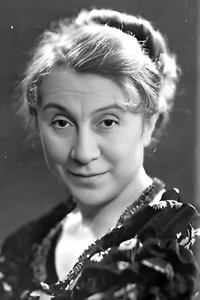
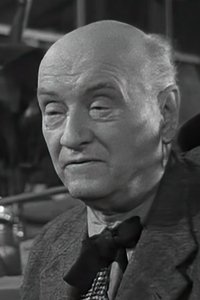
The principal cast of Marinella includes Tino Rossi, Yvette Lebon, Jeanne Fusier-Gir, Albert Duvaleix, Pierre Juvenet.
When was Marinella released and how long is it?
Marinella was released in 1936 with a total runtime of 1h 28m.
Who composed the musical score for Marinella?
The original motion picture soundtrack for Marinella was composed by Vincent Scotto.