
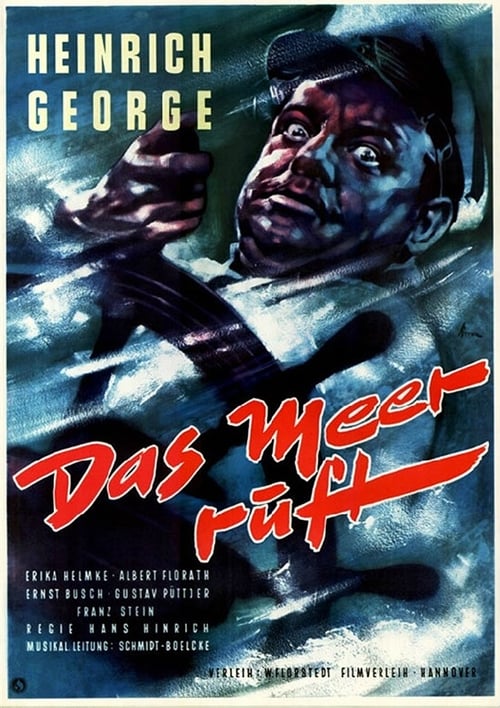
The Sea Calls
Das Meer ruft
Synopsis
The Baltic captain Terje Wiggen works as a pilot on the island of Muhu. When the mate of the ship “Carola” calls in sick, he jumps at the chance of reviving his life as a sailor. WWI breaks soon after the departure. By and by the ship’s company gets worn down by dead calm. On account of the plague-ridden captain, Wiggen disposes of the contaminated water reserve. Discontent among the crew rises until they take the sole lifeboat and leave their mate behind. Wiggen unsuccessfully tries to bring the ship under control. At the last minute he is rescued off the Japanese coast. At his return he promises to never leave his wife and child again. But the German Imperial Navy begins to blockade the waterways of the island. Wiggen paddles to Sweden with the intention of smuggling provisions for his family. On his way back he is detained by a German captain. After five years of imprisonment he returns to Muhu once more. Wiggen is hellbent on vengeance. (Deutsche Kinemathek)
Top Cast
Explore Star Directory →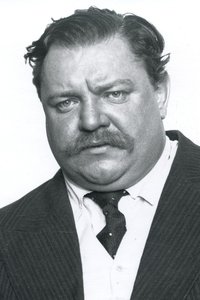


Release History & Theatrical Window
Ufa-Theater-Kurfürstendamm.
Festival / Special Debut
Key Information & Fast Facts
- Director
- Hans Hinrich
- Screenplay & Story
- Josef Pelz von Felinau, Helmut Brandis, Hans Klaehr
- Original Score
- Karl Knauer, Werner Schmidt-Boelcke
- Original Title
- Das Meer ruft
- Country of Origin
- Germany
- Spoken Languages
- German
- Runtime
- 1h 21m
- Production Studios
- Deutsche Eidophon-Film GmbH
Creative Leadership & Key Crew
Hans Hinrich
Josef Pelz von Felinau, Helmut Brandis, Hans Klaehr
Karl Knauer, Werner Schmidt-Boelcke
Willy Winterstein, Kurt Neubert
Roelofsz
Wilhelm Hübner
Department Leadership Roster
Wilhelm Hübner
Producer
Josef Pelz von Felinau
Writer
Roelofsz
Editor
Helmut Brandis
Writer
Hans Klaehr
Writer
Hans Hinrich
Director
Willy Winterstein
Director of Photography
Kurt Neubert
Director of Photography
Production Stills & Gallery
Official cinematic photography and background stills for The Sea Calls.
Featured In Curated Collections
Editorial lists, community rankings, and cinematic collections featuring The Sea Calls.
list4
War: World War I
Auto-filled from Letterboxd lists
More Like The Sea Calls
Recommended titles matching themes, cast, and genres.











Frequently Asked Questions About The Sea Calls
Quick factual answers about cast, synopsis, director, box office, and release information.
What is The Sea Calls about?
The Baltic captain Terje Wiggen works as a pilot on the island of Muhu. When the mate of the ship “Carola” calls in sick, he jumps at the chance of reviving his life as a sailor. WWI breaks soon after the departure. By and by the ship’s company gets worn down by dead calm. On account of the plague-ridden captain, Wiggen disposes of the contaminated water reserve. Discontent among the crew rises until they take the sole lifeboat and leave their mate behind. Wiggen unsuccessfully tries to bring the ship under control. At the last minute he is rescued off the Japanese coast. At his return he promises to never leave his wife and child again. But the German Imperial Navy begins to blockade the waterways of the island. Wiggen paddles to Sweden with the intention of smuggling provisions for his family. On his way back he is detained by a German captain. After five years of imprisonment he returns to Muhu once more. Wiggen is hellbent on vengeance. (Deutsche Kinemathek)
Who directed The Sea Calls?
The Sea Calls was directed by Hans Hinrich.
Who stars in The Sea Calls?
The principal cast of The Sea Calls includes Heinrich George, Erika Helmke, Hans Mierendorff, Franz Stein, Herta Scheel.
When was The Sea Calls released and how long is it?
The Sea Calls was released in 1933 with a total runtime of 1h 21m.
Who composed the musical score for The Sea Calls?
The original motion picture soundtrack for The Sea Calls was composed by Karl Knauer, Werner Schmidt-Boelcke.