
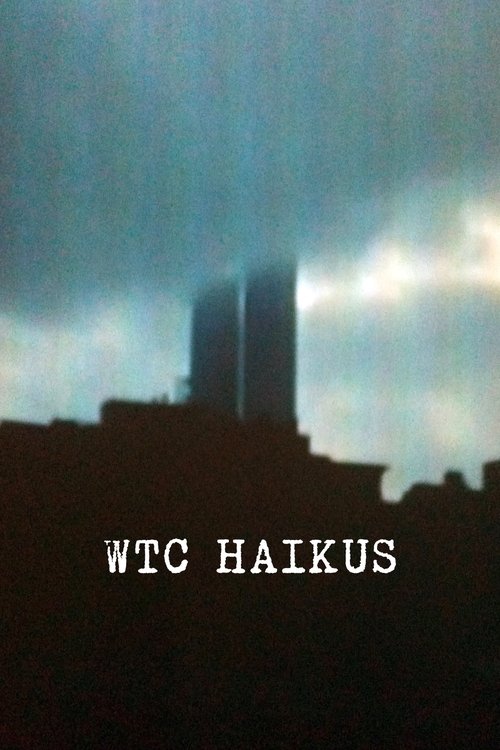
WTC Haikus
Synopsis
A lyrical diary film composed of fleeting images of the World Trade Center, filmed over decades as the towers appeared in Jonas Mekas’s everyday life—from street scenes and rooftop gatherings to family outings by the waterfront. Together, these fragments form a poetic memorial of presence and absence.
Release History & Theatrical Window
January 25, 2010
Wide Cinema Exhibition
Key Information & Fast Facts
- Director
- Jonas Mekas
- Original Score
- Auguste Varkalis
- Original Title
- WTC Haikus
- Country of Origin
- United States of America
- Spoken Languages
- No Language
- Runtime
- 14m
Creative Leadership & Key Crew
Jonas Mekas
Auguste Varkalis
Jonas Mekas
Jonas Mekas
Jonas Mekas
Department Leadership Roster
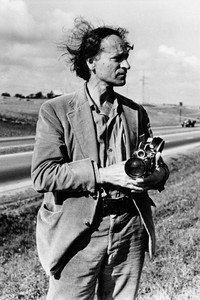
Jonas Mekas
Director
Jonas Mekas
Producer
Jonas Mekas
Director of Photography
Auguste Varkalis
Original Music Composer
Jonas Mekas
Editor
Production Stills & Gallery
Official cinematic photography and background stills for WTC Haikus.
Featured In Curated Collections
Editorial lists, community rankings, and cinematic collections featuring WTC Haikus.
500 best 2010's movies
Jonas Mekas
More Like WTC Haikus
Recommended titles matching themes, cast, and genres.











Frequently Asked Questions About WTC Haikus
Quick factual answers about cast, synopsis, director, box office, and release information.
What is WTC Haikus about?
A lyrical diary film composed of fleeting images of the World Trade Center, filmed over decades as the towers appeared in Jonas Mekas’s everyday life—from street scenes and rooftop gatherings to family outings by the waterfront. Together, these fragments form a poetic memorial of presence and absence.
Who directed WTC Haikus?
WTC Haikus was directed by Jonas Mekas.
Who stars in WTC Haikus?
The principal cast of WTC Haikus includes Not specified.
When was WTC Haikus released and how long is it?
WTC Haikus was released in 2010 with a total runtime of 14m.
Who composed the musical score for WTC Haikus?
The original motion picture soundtrack for WTC Haikus was composed by Auguste Varkalis.