

Self-Portrait
Synopsis
Access to video technology had largely been limited to corporate-run TV studios until the Sony Portapak, a battery-powered video tape recorder that could be carried by one person, was popularized in the early 1970s. This device also allowed artists to see what they were recording in real time and to immediately play it back, prompting investigations of technology’s increasingly fluid relationship to the body, language, and time itself. Shigeko Kubota’s ”Self-Portrait” embodied the boundless potential of the new medium and the freedom from precedent it represented. This work, in which Kubota interacts with her own image, contains some of her earliest known experimentation with video. Here, she used new tools to manipulate the electronic signal, creating previously unimaginable colors and patterns, and unraveling established conventions of image-making right before our eyes. [Overview courtesy of Erica Papernik-Shimizu via MoMA]
Top Cast
Explore Star Directory →Release History & Theatrical Window
October 27, 1971
Wide Cinema Exhibition
Key Information & Fast Facts
- Director
- Shigeko Kubota
- Original Title
- Self-Portrait
- Spoken Languages
- English
- Runtime
- 5m
Creative Leadership & Key Crew
Shigeko Kubota
Department Leadership Roster
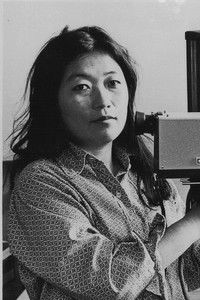
Shigeko Kubota
Director
Production Stills & Gallery
Official cinematic photography and background stills for Self-Portrait.
More Like Self-Portrait
Recommended titles matching themes, cast, and genres.



Frequently Asked Questions About Self-Portrait
Quick factual answers about cast, synopsis, director, box office, and release information.
What is Self-Portrait about?
Access to video technology had largely been limited to corporate-run TV studios until the Sony Portapak, a battery-powered video tape recorder that could be carried by one person, was popularized in the early 1970s. This device also allowed artists to see what they were recording in real time and to immediately play it back, prompting investigations of technology’s increasingly fluid relationship to the body, language, and time itself. Shigeko Kubota’s ”Self-Portrait” embodied the boundless potential of the new medium and the freedom from precedent it represented. This work, in which Kubota interacts with her own image, contains some of her earliest known experimentation with video. Here, she used new tools to manipulate the electronic signal, creating previously unimaginable colors and patterns, and unraveling established conventions of image-making right before our eyes. [Overview courtesy of Erica Papernik-Shimizu via MoMA]
Who directed Self-Portrait?
Self-Portrait was directed by Shigeko Kubota.
Who stars in Self-Portrait?
The principal cast of Self-Portrait includes Shigeko Kubota.
When was Self-Portrait released and how long is it?
Self-Portrait was released in 1971 with a total runtime of 5m.