
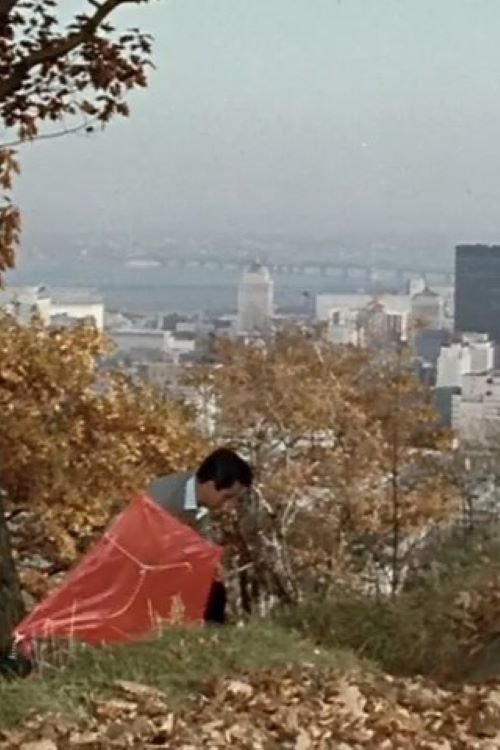
The Red Kite
Synopsis
This short fiction is adapted from a collection of short stories by Canadian author Hugh Hood. A young father in Montreal buys a red kite for his daughter. This mildly impulsive act leads to encounters with strangers that cause him to entertain existential questions.
Release History & Theatrical Window
January 1, 1965
Wide Cinema Exhibition
Key Information & Fast Facts
- Director
- Morten Parker
- Screenplay & Story
- Mortern Parker, Hugh Wood
- Original Score
- Louis Applebaum
- Original Title
- The Red Kite
- Country of Origin
- Canada
- Spoken Languages
- English
- Runtime
- 17m
Creative Leadership & Key Crew
Morten Parker
Mortern Parker, Hugh Wood
Louis Applebaum
François Séguillon
Department Leadership Roster
Morten Parker
Director
Mortern Parker
Writer
François Séguillon
Director of Photography
Production Stills & Gallery
Official cinematic photography and background stills for The Red Kite.
More Like The Red Kite
Recommended titles matching themes, cast, and genres.




Frequently Asked Questions About The Red Kite
Quick factual answers about cast, synopsis, director, box office, and release information.
What is The Red Kite about?
This short fiction is adapted from a collection of short stories by Canadian author Hugh Hood. A young father in Montreal buys a red kite for his daughter. This mildly impulsive act leads to encounters with strangers that cause him to entertain existential questions.
Who directed The Red Kite?
The Red Kite was directed by Morten Parker.
Who stars in The Red Kite?
The principal cast of The Red Kite includes Not specified.
When was The Red Kite released and how long is it?
The Red Kite was released in 1965 with a total runtime of 17m.
Who composed the musical score for The Red Kite?
The original motion picture soundtrack for The Red Kite was composed by Louis Applebaum.