
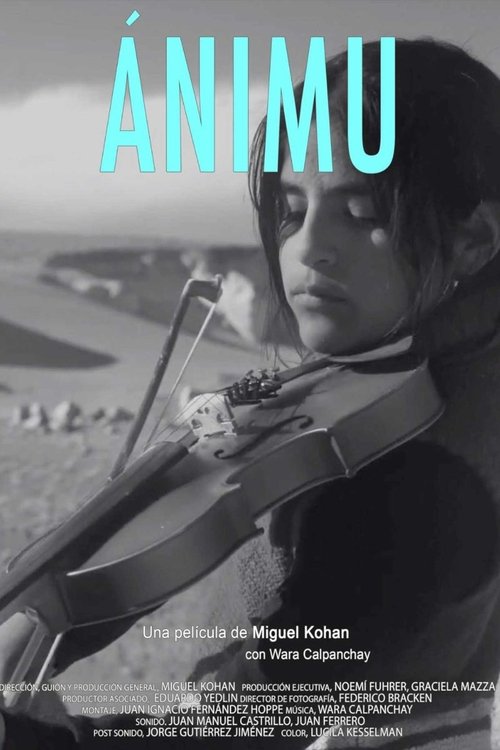
Ánimu
Synopsis
Wara, a teenager from the Puna, moves to a neighborhood on the outskirts of Jujuy. While she is going through uprooting as well as the mourning for the death of her grandmother on her father’s side, questions arise in her that she will solve through a dialogue between her voice and her violin.
Top Cast
Explore Star Directory →
Release History & Theatrical Window
BAFICI
Festival / Special Debut
Key Information & Fast Facts
- Director
- Miguel Kohan
- Screenplay & Story
- Miguel Kohan
- Original Score
- Wara Calpanchay
- Original Title
- Ánimu
- Country of Origin
- Argentina
- Spoken Languages
- Spanish
- Runtime
- Unknown
- Production Studios
- Vertiente Cine, La Pluma Producciones
Creative Leadership & Key Crew
Miguel Kohan
Miguel Kohan
Wara Calpanchay
Federico Bracken
Juan Ignacio Fernández Llop
Miguel Kohan, Graciela Mazza, Noemí Fuhrer
Department Leadership Roster
Miguel Kohan
Director
Miguel Kohan
Producer
Federico Bracken
Director of Photography
Juan Ignacio Fernández Llop
Editor
Miguel Kohan
Writer
Production Stills & Gallery
Official cinematic photography and background stills for Ánimu.
More Like Ánimu
Recommended titles matching themes, cast, and genres.








Frequently Asked Questions About Ánimu
Quick factual answers about cast, synopsis, director, box office, and release information.
What is Ánimu about?
Wara, a teenager from the Puna, moves to a neighborhood on the outskirts of Jujuy. While she is going through uprooting as well as the mourning for the death of her grandmother on her father’s side, questions arise in her that she will solve through a dialogue between her voice and her violin.
Who directed Ánimu?
Ánimu was directed by Miguel Kohan.
Who stars in Ánimu?
The principal cast of Ánimu includes Wara Calpanchay, Delia Soria, René Calpanchay, Norma Aguilar, Bruno Burgos.
When was Ánimu released and how long is it?
Ánimu was released in 2024 with a total runtime of Unknown.
Who composed the musical score for Ánimu?
The original motion picture soundtrack for Ánimu was composed by Wara Calpanchay.