
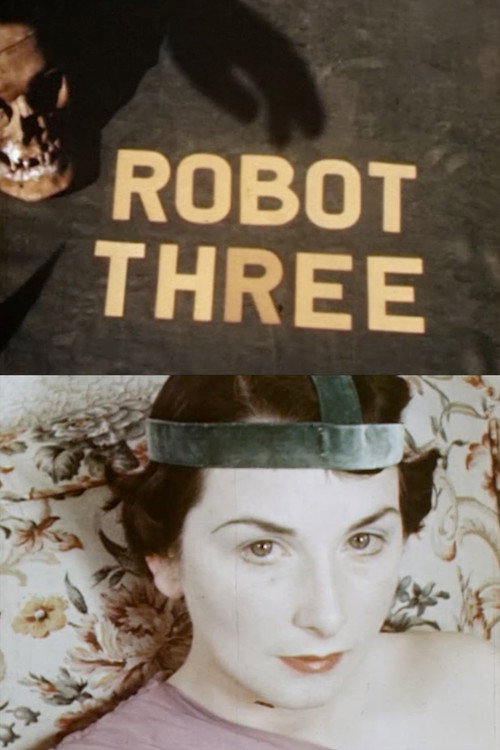
Robot Three
Synopsis
A grim scientist orders his third robot to destroy the male of two humanoid creations after they unexpectedly fall in love. But his plan backfires when the female robot seduces her creator into drinking from a poisoned cup before making her escape. Robot Three received both the Victor Saville Trophy for Most Outstanding Film and the Alfred Hitchcock Cup for Best Fiction Film at the 1952 Scottish Amateur Film Festival, cementing its place as one of the era's most celebrated Scottish amateur productions.
Top Cast
Explore Star Directory →Key Information & Fast Facts
- Director
- Enrico Cocozza
- Original Title
- Robot Three
- Country of Origin
- United Kingdom
- Spoken Languages
- No Language
- Runtime
- 24m
- Production Studios
- Connoisseur Film Unit
Creative Leadership & Key Crew
Enrico Cocozza
Graeme Cullen
Department Leadership Roster
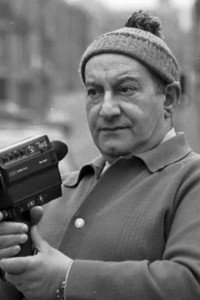
Enrico Cocozza
Director
Graeme Cullen
Editor
Production Stills & Gallery
Official cinematic photography and background stills for Robot Three.
More Like Robot Three
Recommended titles matching themes, cast, and genres.




Frequently Asked Questions About Robot Three
Quick factual answers about cast, synopsis, director, box office, and release information.
What is Robot Three about?
A grim scientist orders his third robot to destroy the male of two humanoid creations after they unexpectedly fall in love. But his plan backfires when the female robot seduces her creator into drinking from a poisoned cup before making her escape. Robot Three received both the Victor Saville Trophy for Most Outstanding Film and the Alfred Hitchcock Cup for Best Fiction Film at the 1952 Scottish Amateur Film Festival, cementing its place as one of the era's most celebrated Scottish amateur productions.
Who directed Robot Three?
Robot Three was directed by Enrico Cocozza.
Who stars in Robot Three?
The principal cast of Robot Three includes Sadie Curran, Les Crawford, Victor Atkinson, Enrico Cocozza.
When was Robot Three released and how long is it?
Robot Three was released in 1951 with a total runtime of 24m.