
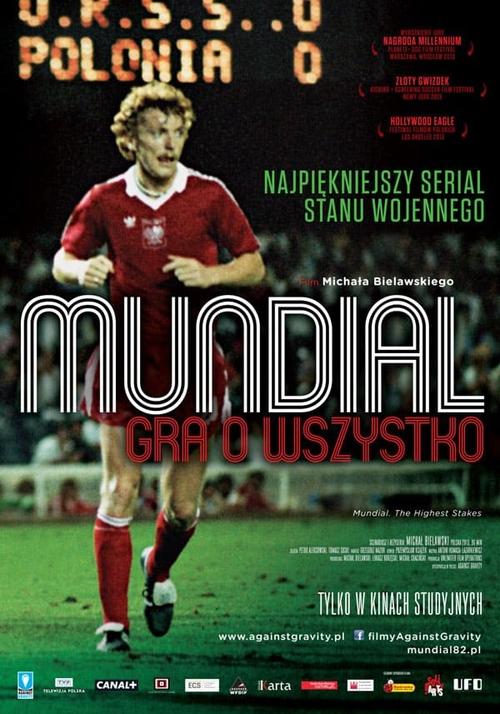
Mundial: The Highest Stakes
Mundial. Gra o wszystko
Synopsis
A documentary tale about sport and politics under martial law. All of Poland saw the great goals of Boniek and Smolarek during the Espana '82 championships. For a moment, it was forgotten that the background of the sporting performance was martial law, censorship, an army on the streets, prisons filled with oppositionists. The performance of the players was so successful that it was called "the most beautiful series of martial law". The game is watched by interned activists of "Solidarity", sports journalists and censors, cutting out all manifestations of the opposition from television broadcasts. We also get to know the performance in Spain from the perspective of the players, trying to meet not only their ambitions but also to bear the burden of fans' expectations and regime propaganda.
Top Cast
Explore Star Directory →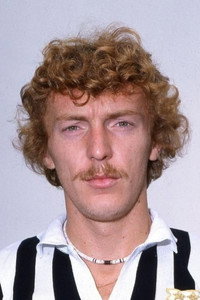

Release History & Theatrical Window
São Paulo International Film Festival
Festival / Special Debut
Key Information & Fast Facts
- Director
- Michał Bielawski
- Screenplay & Story
- Michał Bielawski
- Original Score
- Antoni Komasa-Łazarkiewicz
- Original Title
- Mundial. Gra o wszystko
- Country of Origin
- Poland
- Spoken Languages
- French, Polish
- Runtime
- 1h 36m
- Production Studios
- Unlimited Film Operations, CANAL+ Polska, Telewizja Polska, Instytut Adama Mickiewicza - Culture.pl, Wytwórnia Filmów Dokumentalnych i Fabularnych, Europejskie Centrum Solidarności
Creative Leadership & Key Crew
Michał Bielawski
Michał Bielawski
Antoni Komasa-Łazarkiewicz
Petro Aleksowski, Tomasz Suski
Grzegorz Mazur
Michał Chaciński, Michał Bielawski, Łukasz Borzęcki, Witold Będkowski
Department Leadership Roster
Michał Chaciński
Producer
Michał Bielawski
Director
Michał Bielawski
Producer
Petro Aleksowski
Director of Photography

Antoni Komasa-Łazarkiewicz
Original Music Composer
Grzegorz Mazur
Editor
Tomasz Suski
Director of Photography
Łukasz Borzęcki
Producer
Witold Będkowski
Producer
Michał Bielawski
Screenplay
Featured In Curated Collections
Editorial lists, community rankings, and cinematic collections featuring Mundial: The Highest Stakes.
Polish Films
Polish cinema: Wikidata country-of-origin Poland, merged with the canon (Polish Film School, Moral Anxiety, Has, Zulawski, Kieslowski, Wajda, contemporary).
Similar Titles to Mundial: The Highest Stakes
Movies sharing stylistic DNA, tone, and thematic storytelling
 7.0
 5.0
 7.7
 5.8
 6.4
 7.0
 6.6
 8.5
 10.0
 7.7
 10.0
 10.0
 6.0

 6.5

 10.0
 7.8
More Like Mundial: The Highest Stakes
Recommended titles matching themes, cast, and genres.





Frequently Asked Questions About Mundial: The Highest Stakes
Quick factual answers about cast, synopsis, director, box office, and release information.
What is Mundial: The Highest Stakes about?
A documentary tale about sport and politics under martial law. All of Poland saw the great goals of Boniek and Smolarek during the Espana '82 championships. For a moment, it was forgotten that the background of the sporting performance was martial law, censorship, an army on the streets, prisons filled with oppositionists. The performance of the players was so successful that it was called "the most beautiful series of martial law". The game is watched by interned activists of "Solidarity", sports journalists and censors, cutting out all manifestations of the opposition from television broadcasts. We also get to know the performance in Spain from the perspective of the players, trying to meet not only their ambitions but also to bear the burden of fans' expectations and regime propaganda.
Who directed Mundial: The Highest Stakes?
Mundial: The Highest Stakes was directed by Michał Bielawski.
Who stars in Mundial: The Highest Stakes?
The principal cast of Mundial: The Highest Stakes includes Zbigniew Boniek, Dariusz Szpakowski, Włodzimierz Zientarski, Grzegorz Lato.
When was Mundial: The Highest Stakes released and how long is it?
Mundial: The Highest Stakes was released in 2014 with a total runtime of 1h 36m.
Who composed the musical score for Mundial: The Highest Stakes?
The original motion picture soundtrack for Mundial: The Highest Stakes was composed by Antoni Komasa-Łazarkiewicz.