


Una gallega en México
Synopsis
The Galician Candida has a bakery in front of the butcher Robustito, who constantly berates although children of both Aurora and Rodolfo are in love. In the neighborhood where they live, the neighbors prepared a joke to the galician girl. She gets angry Robustito hard time believing him guilty of what happened.
Top Cast
Explore Star Directory →


Key Information & Fast Facts
- Director
- Julián Soler
- Screenplay & Story
- Joaquín Pardavé
- Original Score
- Manuel Esperón
- Original Title
- Una gallega en México
- Country of Origin
- Mexico
- Spoken Languages
- Spanish
- Runtime
- 1h 43m
- Production Studios
- Cinematográfica Filmex S.A
Creative Leadership & Key Crew
Julián Soler
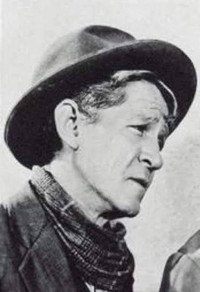
Joaquín Pardavé
Manuel Esperón
Department Leadership Roster

Joaquín Pardavé
Writer
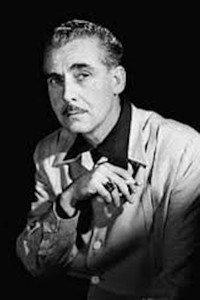
Julián Soler
Director
Production Stills & Gallery
Official cinematic photography and background stills for Una gallega en México.
More Like Una gallega en México
Recommended titles matching themes, cast, and genres.










Frequently Asked Questions About Una gallega en México
Quick factual answers about cast, synopsis, director, box office, and release information.
What is Una gallega en México about?
The Galician Candida has a bakery in front of the butcher Robustito, who constantly berates although children of both Aurora and Rodolfo are in love. In the neighborhood where they live, the neighbors prepared a joke to the galician girl. She gets angry Robustito hard time believing him guilty of what happened.
Who directed Una gallega en México?
Una gallega en México was directed by Julián Soler.
Who stars in Una gallega en México?
The principal cast of Una gallega en México includes Niní Marshall, Joaquín Pardavé, Alma Rosa Aguirre, Pepe del Río, Lilia Prado.
When was Una gallega en México released and how long is it?
Una gallega en México was released in 1949 with a total runtime of 1h 43m.
Who composed the musical score for Una gallega en México?
The original motion picture soundtrack for Una gallega en México was composed by Manuel Esperón.