


The Beauty of the Black Pearl
江户川乱步的心理测试 江戸川乱歩の美女シリーズ 黒真珠の美女
Synopsis
No overview has been added yet for this movie.

Part of the Edogawa Ranpo's Beauty Series
Stream the entire interconnected saga and experience every installment in chronological storyline order.
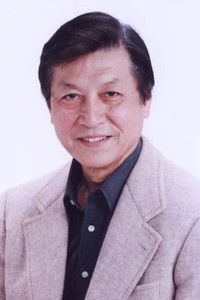
Top Cast
Explore Star Directory →





Key Information & Fast Facts
- Director
- Masahisa Sadanaga
- Screenplay & Story
- Kunio Yamashita, Rampo Edogawa
- Original Score
- Hajime Kaburagi
- Original Title
- 江户川乱步的心理测试 江戸川乱歩の美女シリーズ 黒真珠の美女
- Country of Origin
- Japan
- Spoken Languages
- Japanese
- Runtime
- Unknown
Creative Leadership & Key Crew
Masahisa Sadanaga
Kunio Yamashita, Rampo Edogawa
Hajime Kaburagi
Department Leadership Roster
Kunio Yamashita
Writer
Masahisa Sadanaga
Director
Production Stills & Gallery
Official cinematic photography and background stills for The Beauty of the Black Pearl.
Frequently Asked Questions About The Beauty of the Black Pearl
Quick factual answers about cast, synopsis, director, box office, and release information.
What is The Beauty of the Black Pearl about?
The Beauty of the Black Pearl is a feature film released in 1985.
Who directed The Beauty of the Black Pearl?
The Beauty of the Black Pearl was directed by Masahisa Sadanaga.
Who stars in The Beauty of the Black Pearl?
The principal cast of The Beauty of the Black Pearl includes Shigeru Amachi, Kumiko Fujiyoshi, Kumiko Okae, Masaya Takahashi, Chu Arai.
When was The Beauty of the Black Pearl released and how long is it?
The Beauty of the Black Pearl was released in 1985 with a total runtime of Unknown.
Who composed the musical score for The Beauty of the Black Pearl?
The original motion picture soundtrack for The Beauty of the Black Pearl was composed by Hajime Kaburagi.
Is The Beauty of the Black Pearl based on a book or true story?
The Beauty of the Black Pearl is adapted from the following source material: Novel: "Rampo Edogawa".