
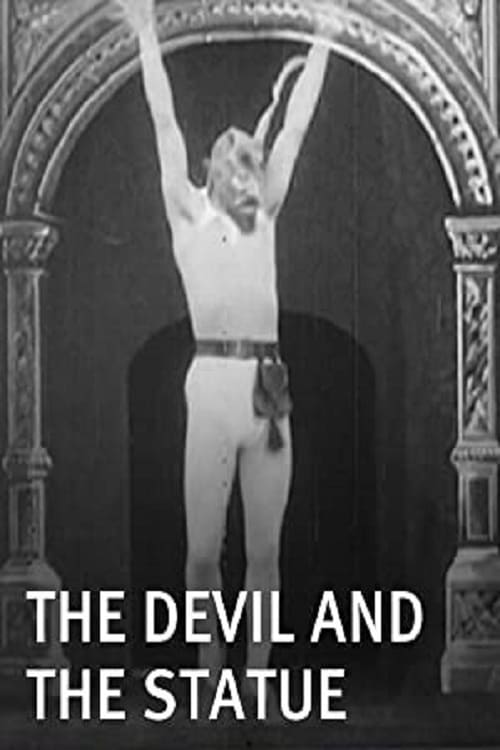
The Devil and the Statue
Le Diable géant ou Le miracle de la madonne
Synopsis
At the beginning of the scene Romeo in his gondola sings to Juliet a sentimental song, then goes away. Hardly has he departed when the colonnade falls to pieces, disclosing the devil. Juliet, frightened, runs to the window and calls Romeo. The latter attempts to enter and protect his fiancée, but at a gesture from the devil the window is instantly covered with a grating and Romeo makes frantic efforts to break it. The devil begins to dance a wild dance before Juliet, who is beside herself from terror. The devil gradually becomes the size of a giant (a novel effect). Juliet implores the statue of Madonna, which becomes animated, descends from its pedestal, and stretching out its arms orders the devil to disappear. (Méliès Catalog)
Top Cast
Explore Star Directory →Key Information & Fast Facts
- Director
- Georges Méliès
- Original Title
- Le Diable géant ou Le miracle de la madonne
- Country of Origin
- France
- Spoken Languages
- No Language
- Runtime
- 2m
- Production Studios
- Star Film
Creative Leadership & Key Crew
Georges Méliès
Department Leadership Roster

Georges Méliès
Director
Production Stills & Gallery
Official cinematic photography and background stills for The Devil and the Statue.
Featured In Curated Collections
Editorial lists, community rankings, and cinematic collections featuring The Devil and the Statue.
list2
Georges Méliès
Marie-Georges-Jean Méliès, known as Georges Méliès (/meɪˈljɛs/; French: [meljɛs]; 8 December 1861 – 21 January 1938), was a French illusionist and film director who led many technical and narrative developments in the earliest days of cinema. Méliès was an especially prolific innovator in the use of special effects, popularizing such techniques as substitution splices, multiple exposures, time-lapse photography, dissolves, and hand-painted color. He was also one of the first filmmakers to use storyboards. His films include A Trip to the Moon (1902) and The Impossible Voyage (1904), both involving strange, surreal journeys somewhat in the style of Jules Verne, and are considered among the most important early science fiction films, though their approach is closer to fantasy.
Similar Titles to The Devil and the Statue
Movies sharing stylistic DNA, tone, and thematic storytelling

 4.0
 5.2


 2.0
 4.0
 8.3
 6.0
 4.9

 3.0
 10.0

 6.0
 8.7


More Like The Devil and the Statue
Recommended titles matching themes, cast, and genres.







Frequently Asked Questions About The Devil and the Statue
Quick factual answers about cast, synopsis, director, box office, and release information.
What is The Devil and the Statue about?
At the beginning of the scene Romeo in his gondola sings to Juliet a sentimental song, then goes away. Hardly has he departed when the colonnade falls to pieces, disclosing the devil. Juliet, frightened, runs to the window and calls Romeo. The latter attempts to enter and protect his fiancée, but at a gesture from the devil the window is instantly covered with a grating and Romeo makes frantic efforts to break it. The devil begins to dance a wild dance before Juliet, who is beside herself from terror. The devil gradually becomes the size of a giant (a novel effect). Juliet implores the statue of Madonna, which becomes animated, descends from its pedestal, and stretching out its arms orders the devil to disappear. (Méliès Catalog)
Who directed The Devil and the Statue?
The Devil and the Statue was directed by Georges Méliès.
Who stars in The Devil and the Statue?
The principal cast of The Devil and the Statue includes Georges Méliès.
When was The Devil and the Statue released and how long is it?
The Devil and the Statue was released in 1901 with a total runtime of 2m.