
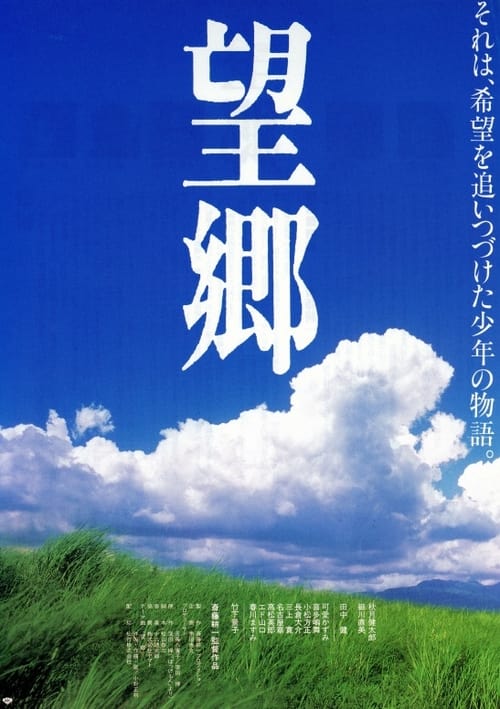
Bokyo
望郷
Synopsis
In 1940, Kubota Shoten, which has been in business for generations, goes bankrupt due to the debauched lifestyle of its president, Kunimitsu Kubota. Subsequently, Kunimitsu moves back to his hometown and his children are sent to live with other relatives.
Top Cast
Explore Star Directory →



Key Information & Fast Facts
- Director
- Kōichi Saitō
- Screenplay & Story
- Zenzō Matsuyama
- Original Score
- Reijirō Koroku
- Original Title
- 望郷
- Country of Origin
- Japan
- Spoken Languages
- English
- Runtime
- 1h 50m
Creative Leadership & Key Crew
Kōichi Saitō
Zenzō Matsuyama
Reijirō Koroku
Yoshihiro Yamazaki
Akimasa Kawashima
Department Leadership Roster

Kōichi Saitō
Director
Zenzō Matsuyama
Screenplay
Yoshihiro Yamazaki
Director of Photography
Shigeo Mano
Production Design

Akimasa Kawashima
Editor

Reijirō Koroku
Original Music Composer
Production Stills & Gallery
Official cinematic photography and background stills for Bokyo.
More Like Bokyo
Recommended titles matching themes, cast, and genres.



Frequently Asked Questions About Bokyo
Quick factual answers about cast, synopsis, director, box office, and release information.
What is Bokyo about?
In 1940, Kubota Shoten, which has been in business for generations, goes bankrupt due to the debauched lifestyle of its president, Kunimitsu Kubota. Subsequently, Kunimitsu moves back to his hometown and his children are sent to live with other relatives.
Who directed Bokyo?
Bokyo was directed by Kōichi Saitō.
Who stars in Bokyo?
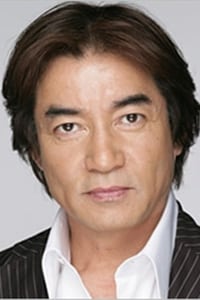
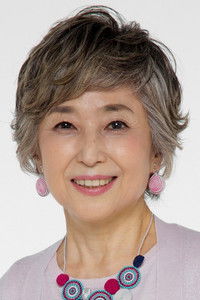
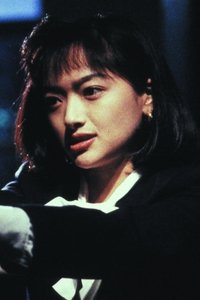
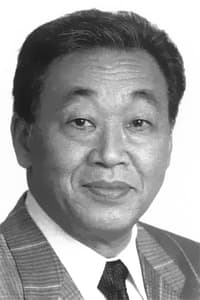
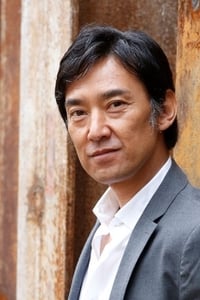
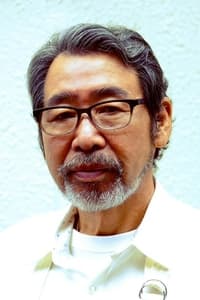
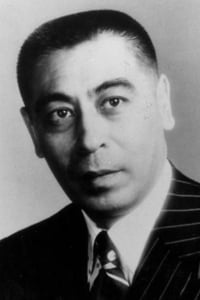
The principal cast of Bokyo includes Kentaro Akizuki, Naomi Hosokawa, Ken Tanaka, Keiko Takeshita, Kazumi Kawai.
When was Bokyo released and how long is it?
Bokyo was released in 1993 with a total runtime of 1h 50m.
Who composed the musical score for Bokyo?
The original motion picture soundtrack for Bokyo was composed by Reijirō Koroku.