
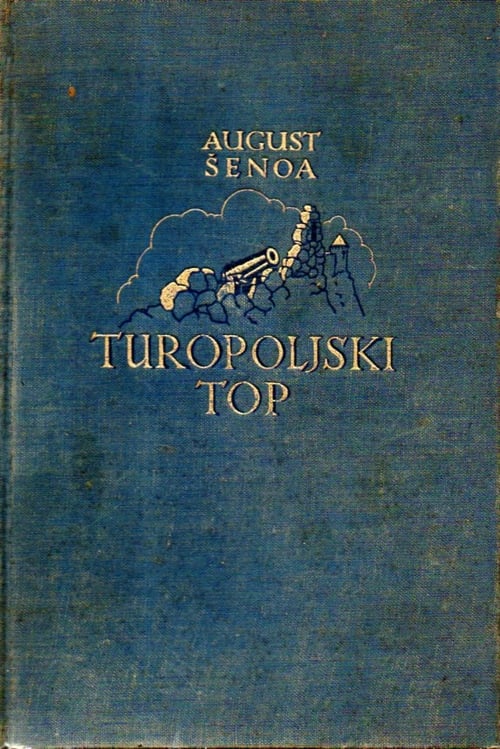
Turopolje Cannon
Turopoljski top
Synopsis
Originally published in 1865, the novel's plot was inspired by Shakespeare's famous play Romeo and Juliet, and is set in Turopolje after the recent abolition of Bach's absolutism, i.e. when the Croats in the Habsburg Monarchy began to exercise political rights that long had been denied to them.
Top Cast
Explore Star Directory →
Drago Krča
Plemeniti Ištvanić

Boris Buzančić
Velečasni
Renata Jurković
Jelica

Zlatko Vitez
Plemeniti Vlatko Ferketić
Danko Ljuština
Plemeniti Miškec Bedeniković
Angel Palašev
Štefić

Zlatko Madunić
Komeš
Olga Pivac
Sluškinja
Boris Festini
Plemeniti
Zlatko Crnković
Plemeniti
Damir Mejovšek
Plemeniti

Zvonimir Torjanac
Plemeniti
Petar Buntić
Kočijaš (uncredited)
Key Information & Fast Facts
- Director
- Eduard Tomičić
- Screenplay & Story
- August Šenoa, Eduard Tomičić, Stjepan Šešelj
- Original Title
- Turopoljski top
- Country of Origin
- Yugoslavia
- Spoken Languages
- Serbo-Croatian
- Runtime
- 1h 30m
- Production Studios
- Televizija Zagreb
Creative Leadership & Key Crew
Eduard Tomičić
August Šenoa, Eduard Tomičić, Stjepan Šešelj
Department Leadership Roster
Eduard Tomičić
Writer
Eduard Tomičić
Director
Stjepan Šešelj
Writer
More Like Turopolje Cannon
Recommended titles matching themes, cast, and genres.







Frequently Asked Questions About Turopolje Cannon
Quick factual answers about cast, synopsis, director, box office, and release information.
What is Turopolje Cannon about?
Originally published in 1865, the novel's plot was inspired by Shakespeare's famous play Romeo and Juliet, and is set in Turopolje after the recent abolition of Bach's absolutism, i.e. when the Croats in the Habsburg Monarchy began to exercise political rights that long had been denied to them.
Who directed Turopolje Cannon?
Turopolje Cannon was directed by Eduard Tomičić.
Who stars in Turopolje Cannon?
The principal cast of Turopolje Cannon includes Drago Krča, Boris Buzančić, Renata Jurković, Zlatko Vitez, Danko Ljuština.
When was Turopolje Cannon released and how long is it?
Turopolje Cannon was released in 1981 with a total runtime of 1h 30m.
Is Turopolje Cannon based on a book or true story?
Turopolje Cannon is adapted from the following source material: Novel: "August Šenoa".